
What is a velocity loss threshold in velocity-based training?
A velocity loss threshold is a pre-set drop in bar speed, as a percentage of the fastest rep, at which you end the set. If the best rep moves at 0.80 m/s and the threshold is 20%, the set stops when a rep falls to about 0.64 m/s. It lets the bar, not a rep count, decide how much fatigue to take on.
 Cibiraj Sathishkumar · Accredited Exercise and Sports Scientist, Founder of EvoQuest
Updated · 4 min read
Key takeaways
- Velocity loss is the percentage drop from the fastest rep of a set.
- Stopping at a threshold controls fatigue without guessing how many reps are left.
- Smaller thresholds suit speed and power work; larger ones suit strength and size goals.
- Reliable bar-speed data needs a valid device and a consistent lifting technique.
- The best threshold depends on the goal, so treat published ranges as starting points.
On this page
What a velocity loss threshold is
In velocity-based training (VBT), a sensor measures how fast the bar moves on every rep. Bar speed falls as a set goes on because the muscles tire. Velocity loss is how much it has fallen compared with the fastest rep of that set.
A threshold turns that into a rule. Say the first rep moves at 0.80 m/s and the threshold is 20%. The set ends when a rep drops to about 0.64 m/s, even if the athlete feels able to continue. Weakley and colleagues describe velocity loss cut-offs as one of the main ways VBT is applied in practice.
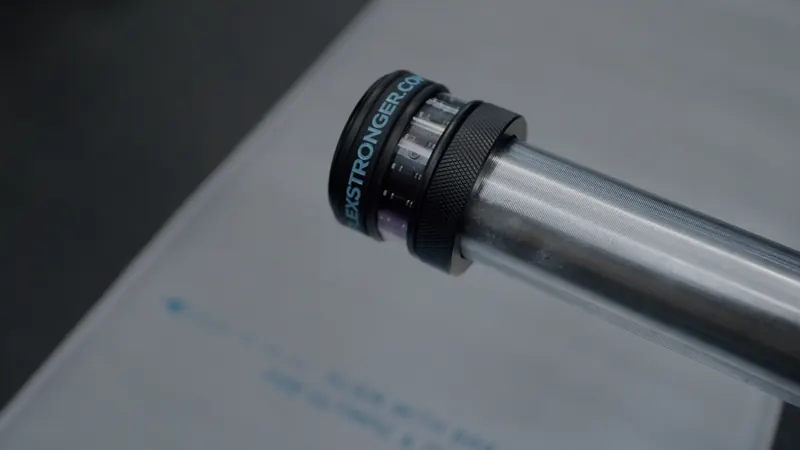
If you are new to the idea, what is a VBT device covers the hardware.
Why use it instead of counting reps
A fixed set of eight reps looks the same on paper every day, but the athlete is not the same every day. After poor sleep or a heavy match week the same load feels harder and fatigue builds sooner. A velocity threshold adjusts the set for you: a tired athlete reaches the cut-off in fewer reps, and a fresh one gets more.
This is also useful for speed and power. Training to a small velocity loss keeps reps fast and crisp, which fits explosive goals. A bigger loss lets the athlete accumulate more volume near failure, which is a different stimulus.
What the research says
A systematic review and meta-analysis by Liao and colleagues compared velocity-based training with traditional percentage-of-1RM training. A separate network meta-analysis in Frontiers in Physiology looked at traditional and velocity-based methods for maximal and explosive strength. Both are useful reads, and the honest summary is that VBT works well as a way to manage load, while strong claims that it always beats other methods need caution.
Specific cut-off numbers vary between studies, populations and exercises, so use them as a place to begin and then watch how your own athlete responds.
Getting reliable numbers
The threshold is only as good as the speed readings. Use the same device, the same exercise technique, the same range of motion and the same rep tempo each time. A sloppy rep that moves less bar distance can look faster or slower than it really was.
Calibrate the sensor as the maker instructs and record the lift, load and threshold used so a later session can be compared fairly. Our post on how a VBT device works covers sources of error.
How EvoQuest uses bar speed
In the Coimbatore lab assessment, bar speed on the squat or other key lifts shows how fast an athlete moves a given load. That helps set starting weights and shows whether the athlete is ready for heavy work on a given day. If you want to see your own speed profile, the free 20-minute call is the place to start.
Frequently asked questions
What is a good velocity loss percentage?
There is no single best figure. Smaller losses suit speed and power, larger ones suit strength and size, and published ranges differ across studies. Start with a coach-chosen threshold, watch how recovery and performance respond, and adjust for each athlete and lift.
Do I need a VBT device to use a velocity loss threshold?
Yes, you need something that measures bar speed. Without one you are guessing at fatigue from feel or rep count. Phone apps and wearable sensors exist, but accuracy varies, so check the device against a known standard if the numbers matter.
Is stopping before failure better than going to failure?
For speed and power work, usually yes, because reps stay fast and fatigue stays low. For muscle size, going closer to failure can be useful. The choice depends on the goal, the lift and how soon the athlete needs to train or compete again.
Can beginners use velocity loss thresholds?
Beginners can, but technique and consistent range of motion matter more than speed data at first. Build a solid movement pattern, then add bar speed as a tool. A coach should check the lifts before the numbers are trusted.
This article is general education. Train within your current ability and get coaching if you are unsure about technique.
References
- Velocity-based training: from theory to application (Weakley et al., 2021) Strength and Conditioning Journal
- Velocity-based training compared with traditional 1RM percentage-based training: systematic review and meta-analysis (Liao et al., 2021) PLoS ONE
- Network meta-analysis of traditional and velocity-based training on maximal and explosive strength Frontiers in Physiology (2022)
Cibiraj studied Exercise and Sports Science at Deakin University in Australia and worked as a strength and conditioning coach for cricket and football clubs in Melbourne before founding EvoQuest in Coimbatore. He runs the performance assessments and writes every diagnostics report, so the person who measures you is the one who explains the numbers.