
Build performance
Strength & conditioning
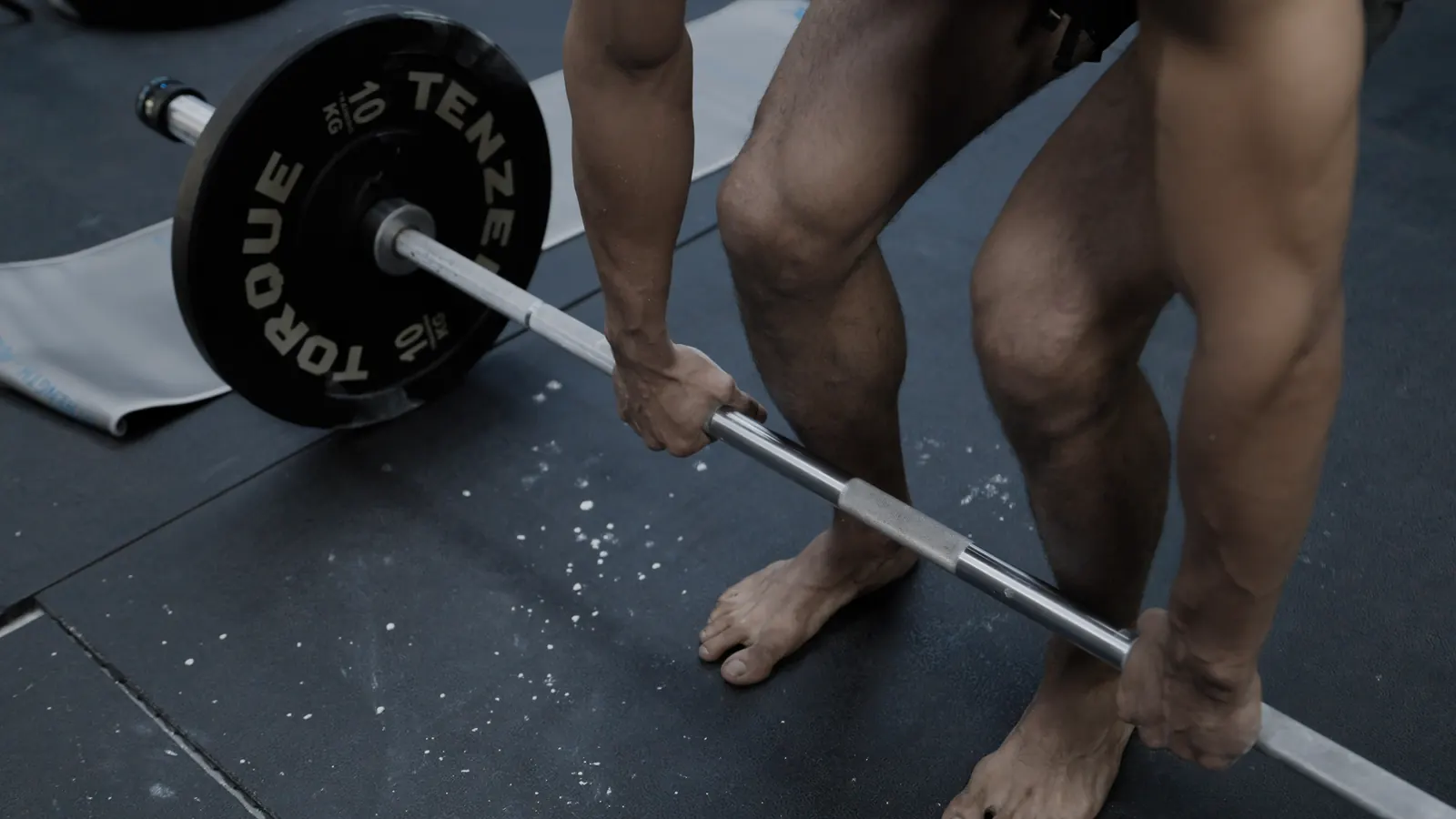
Individualised training designed to develop strength, power, speed, conditioning and movement qualities around the demands of your sport.
Strength & conditioning and return-to-performance programmes built around the athlete, the sport and the demands of competition.
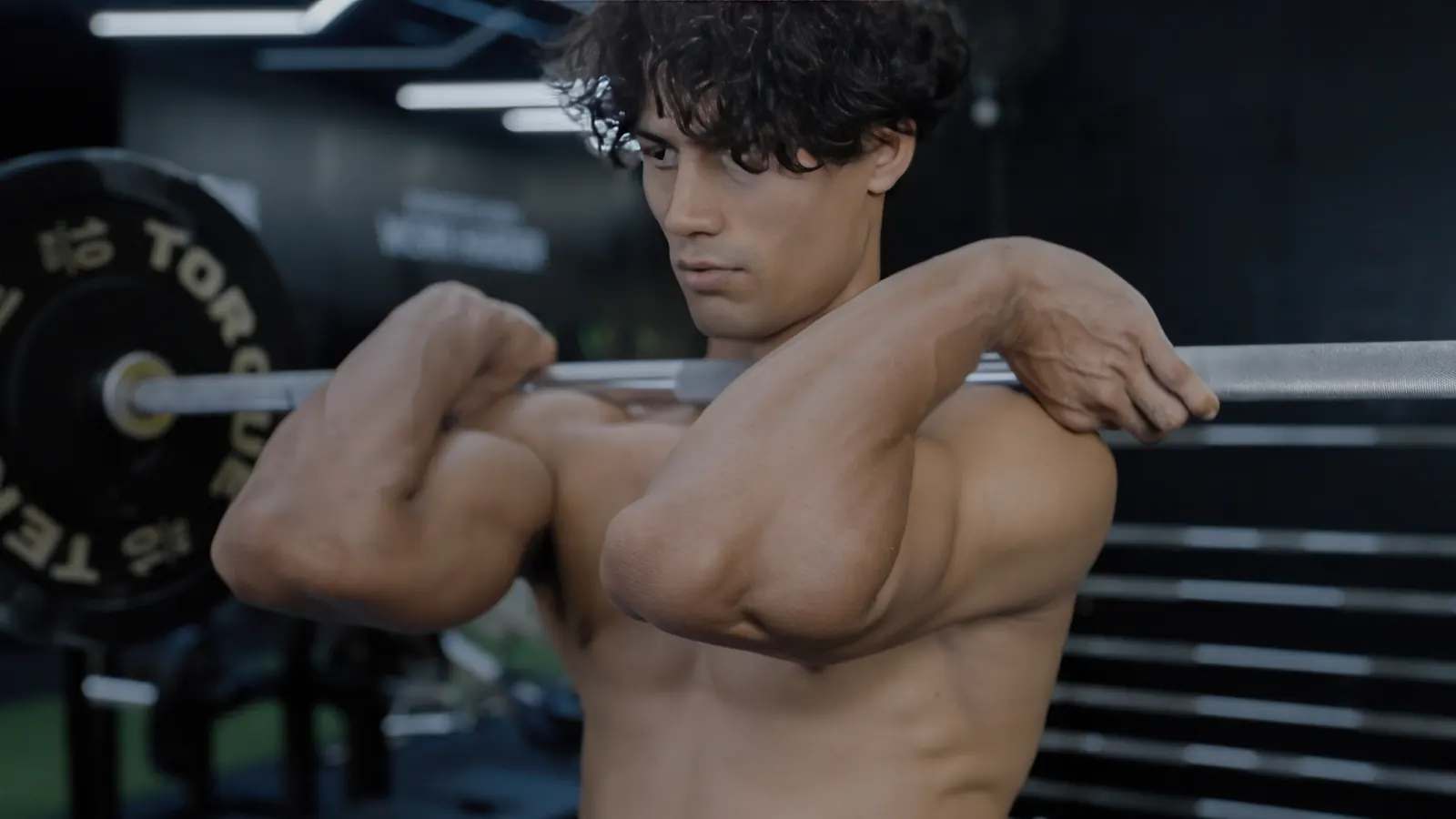
A real EvoQuest athlete on coming back from an ACL injury — and why he now trains to catch problems early.
Being cleared to play isn’t the same as performing at your level.
Measure the gap. Train the gap. Return to performance.
Whether you are developing performance or rebuilding it after injury, the training stimulus has to match what the athlete needs next.
Build the physical qualities your sport demands.
Rebuild capacity and progressively prepare for the demands of sport.
We do both.
Individualised training designed to develop strength, power, speed, conditioning and movement qualities around the demands of your sport.
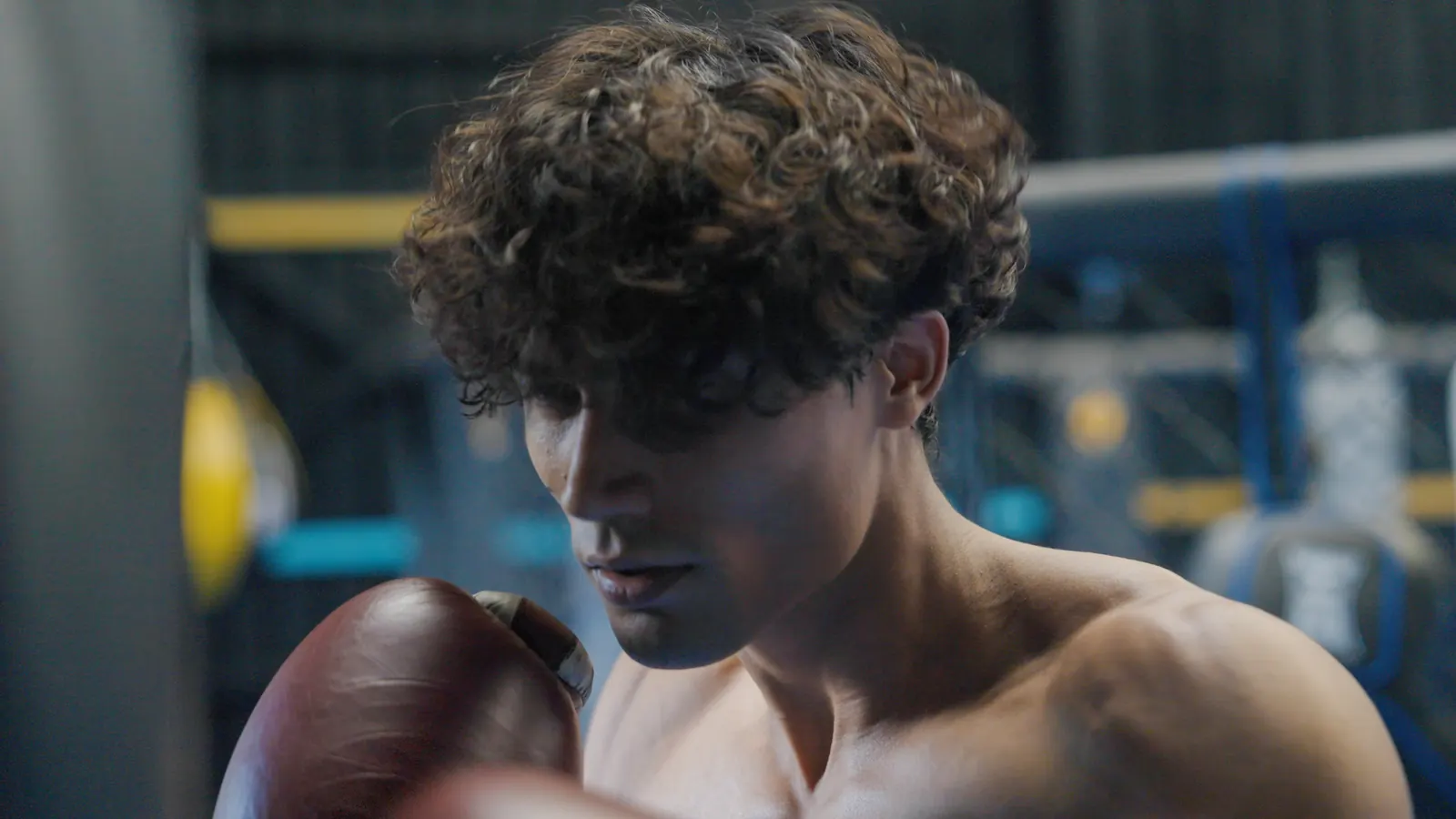
Progressive physical preparation following injury — rebuilding capacity, restoring performance qualities and preparing the athlete for the demands of sport.
Training evolves with the athlete, their sport, their current capacity and their competitive demands. For S&C, progression moves toward higher performance. For return to performance, it moves toward full sporting demand. Same system. Different starting point.
This is what your performance profile feeds into.
Example — two athletes squatting the same load in the same week. One is building toward a strength peak. One is three weeks post-injury, rebuilding tolerance. Same exercise. Different reason. Different progression.
The training is coached for quality of execution and measured for objective feedback, so the stimulus can evolve with adaptation — not just repeat the same session on a schedule. The goal isn’t to complete the session. It’s to create the adaptation.
Your physio or surgeon gets you through recovery. We help you get back to performance.
Being cleared to play doesn’t necessarily mean your injured side has regained its force, speed or repeat efforts.
We measure the performance gap, then close it through strength, progressive loading, power, speed and finally the demands of your sport.
The goal: not just cleared to play, but ready to perform.
“It’s not just about fixing something once you’re injured. It’s more about knowing your body well enough to catch things before they become a bigger problem.”
“After a long injury journey, I learned that being cleared to play was only part of returning to football. EvoQuest’s assessments showed what still needed rebuilding, and the training progressed towards the demands of the game. I wasn’t just returning. I was preparing to perform again.”
Performance development: one athlete, same battery, March against July.
| Measure | March baseline | July re-test | Change |
|---|---|---|---|
| VO₂max | 59.5 ml/kg/min | 63.0 ml/kg/min | +5.9% |
| Reactive strength (CMJ RSI) | 73.94 | 169.78 | +129.6% |
| Back squat 1RM | 112 kg | 120 kg | +7.1% |
| Bench press 1RM | 76 kg | 82 kg | +7.9% |
| 10 m sprint | 1.90 s | 1.83 s | 3.7% faster |
| 5-0-5 change of direction | 3.92 s | 3.69 s | 5.9% faster |
| Unilateral symmetry | 66.6% | 94.1% | +41.3% |
| Body fat | 19.4% | 15.0% | 4.4 points leaner |
Not every outcome is a percentage gain — asymmetry resolved, load tolerance restored and return to full training are all measured, valid results. See all results
Training is built from what we find, not assumed. If you have not been assessed yet, your performance profile identifies the priorities this programme is built around.
Tell us your sport, your goals and where you are now. We will tell you honestly what would help — and what would not.