
01
Individual Athletes
Assessment, training and rehab built around you.
Explore diagnostics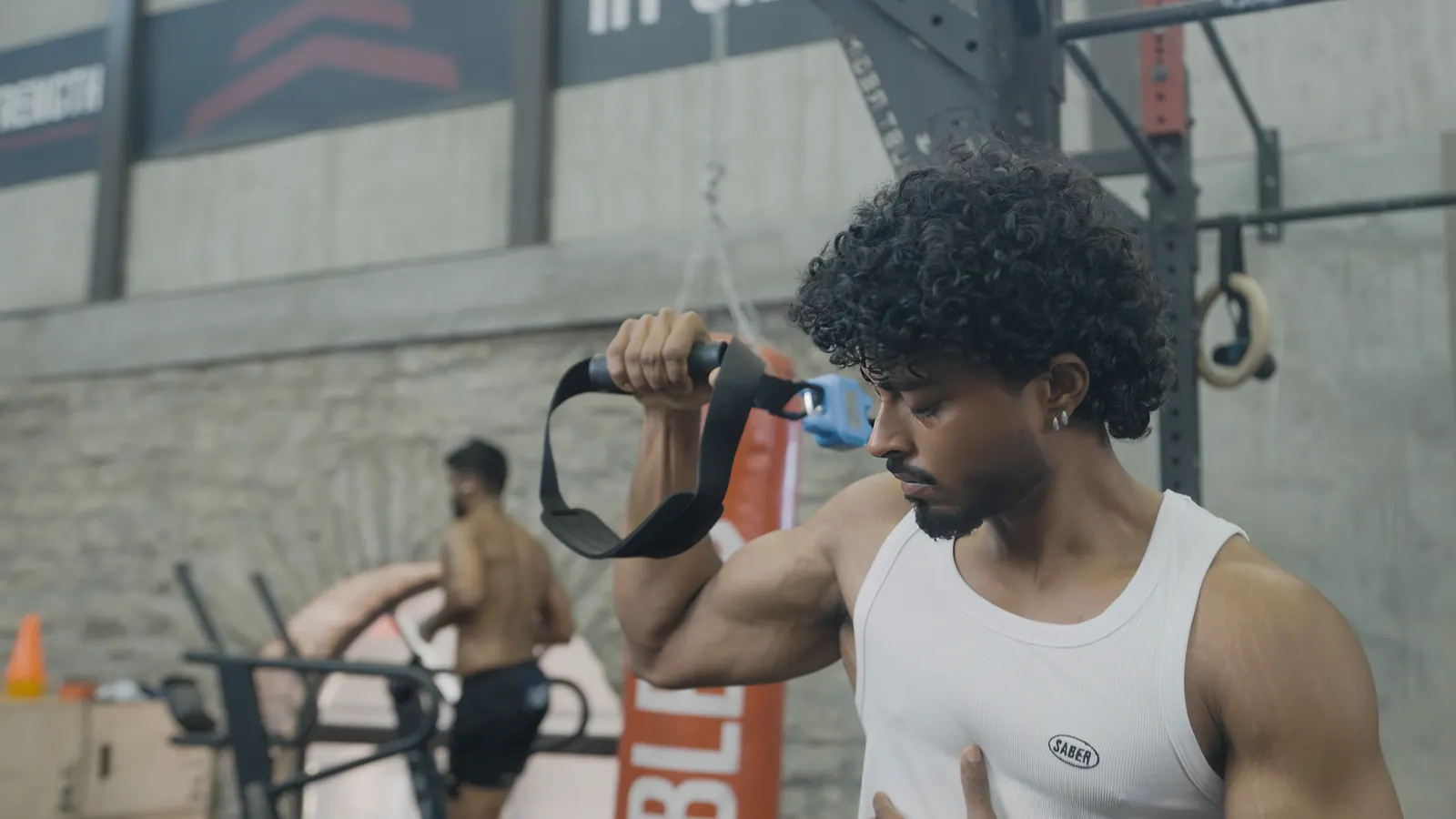
A science-led approach built around the individual — from performance assessment to training and return to performance.
Two athletes train the same hours and finish in different places. The difference is real and it is measurable — most athletes simply never get it measured.
One method, whoever you are. Start with the one that sounds like you.
Athlete development that follows internationally recognised sports-science standards (Exercise & Sports Science Australia) — bridging the gap between elite sports-science laboratories and real-world performance environments.
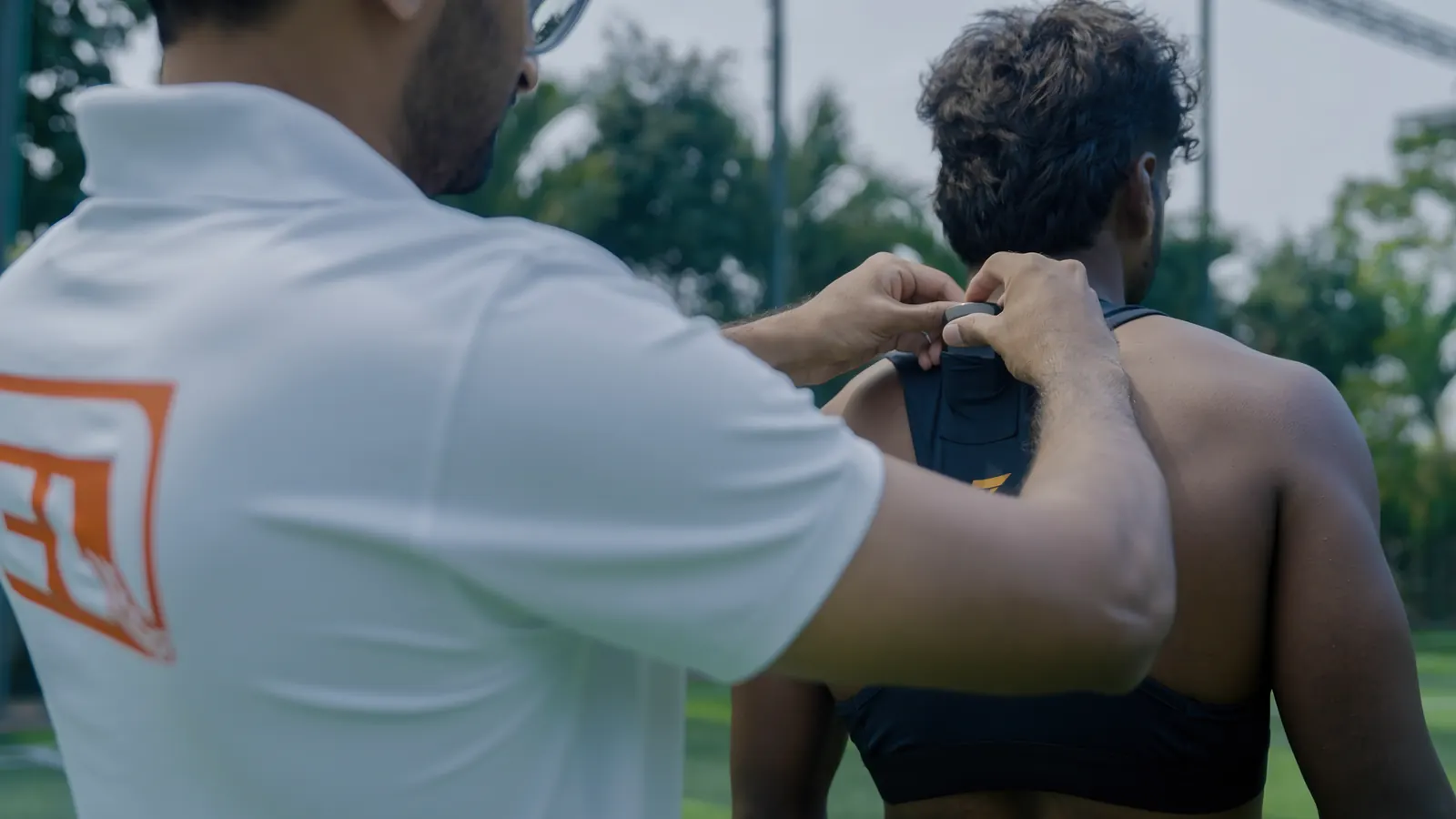
Objective insight to understand performance, find the opportunities and make better decisions — for every athlete.
Gates at the 10, 20 and 30 metre marks show where top speed arrives, where it starts to drop, and how well it is held across the whole run. On the pitch, GPS adds top speed and acceleration in real play.
Equipment usedTiming Gates · GPS
The force mat under your feet records how you push off and land: jump height, how quickly your muscles switch on, how you absorb impact, and whether one leg is quietly doing all the work.
Equipment usedForce Mat
A handheld strength meter measures the maximum force a muscle group can produce, so left-right imbalances show up before they turn into an injury. Bar speed and force-mat data show how that strength carries into lifting and jumping.
Equipment usedMuscle Meter · VBT · Force Mat
VBT works like a speedometer for your training, measuring the speed of every rep so you build power, not just bulk. It shows when you are too tired to train hard even if you feel fine, and when your bar speed drops so you know when to rest — alongside force-mat jumps and muscle-meter readings.
Equipment usedMuscle Meter · VBT · Force Mat
A finger-prick lactate reading shows where your muscles move from clean fuel to fatigue, and heart rate shows what it costs you, so endurance training is set to your chemistry, not to how tired you feel.
Equipment usedLactate Meter · Heart Rate Monitor
A GPS unit worn in training records distance, top speed, how explosively you accelerate and where the work happened, and a heart-rate strap shows how hard it was on the inside — so load is measured, not guessed.
Equipment usedGPS · Heart Rate Monitor
A chest strap maps every session live: resting rate, how your heart reacts at full effort, how fast it recovers, and how long you spend in each training zone.
Equipment usedHeart Rate Monitor
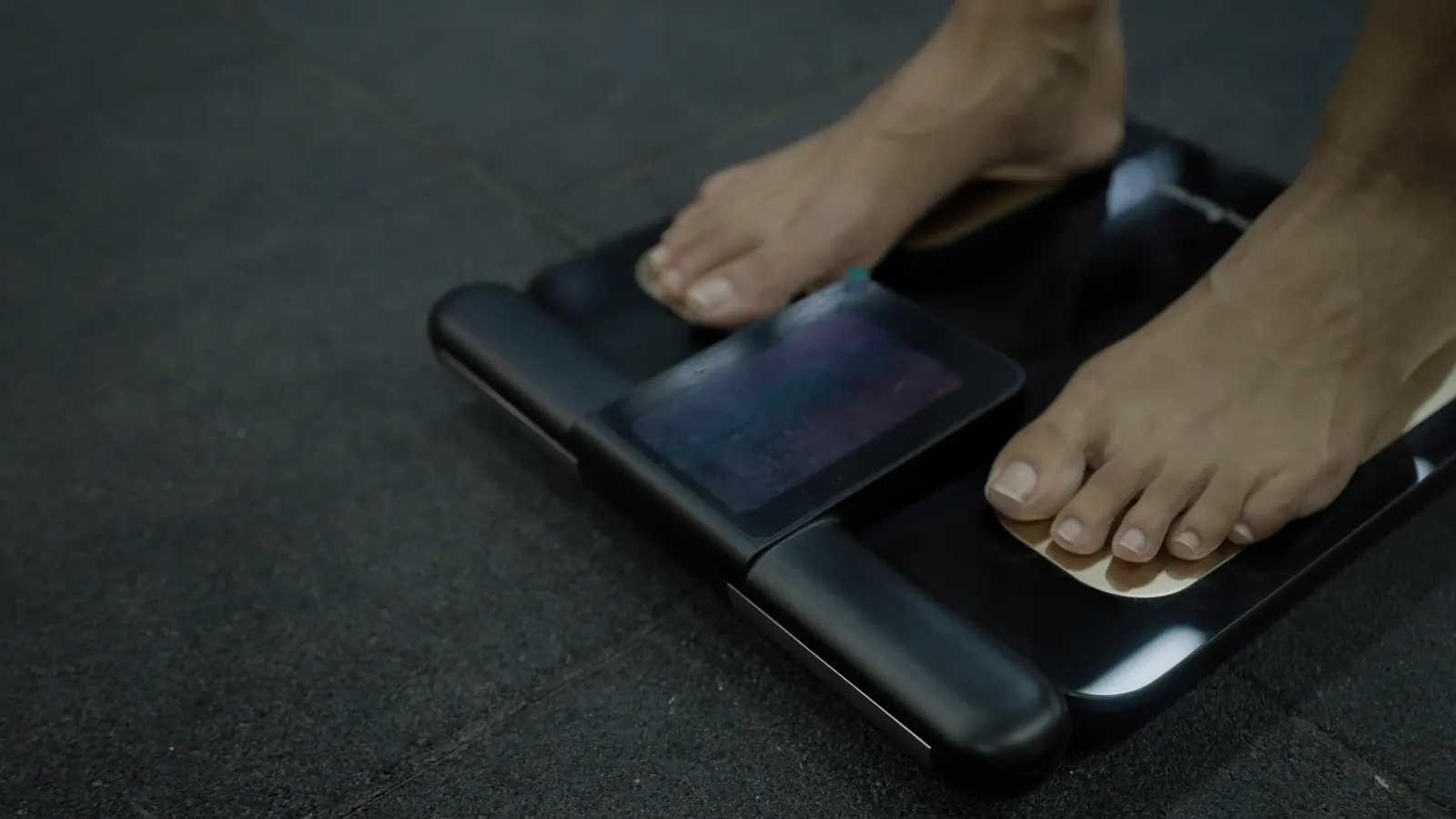
A quick scan splits your weight into muscle and fat, with hydration and metabolic rate, so cutting weight or coming back from injury is not guesswork.
Equipment usedBody Scan
A clear path from understanding where you are to knowing what to do next.
We understand your goals, your sport's demands, your history and where you want to go. The first call is free and takes 20 minutes.
We use objective assessment to measure the qualities that matter to your performance — 3 hours, in person in Coimbatore.
Your findings are translated into an individualised performance plan. Every decision in it traces back to something we measured.
We measure progress, re-assess when needed and adapt the plan as you evolve.
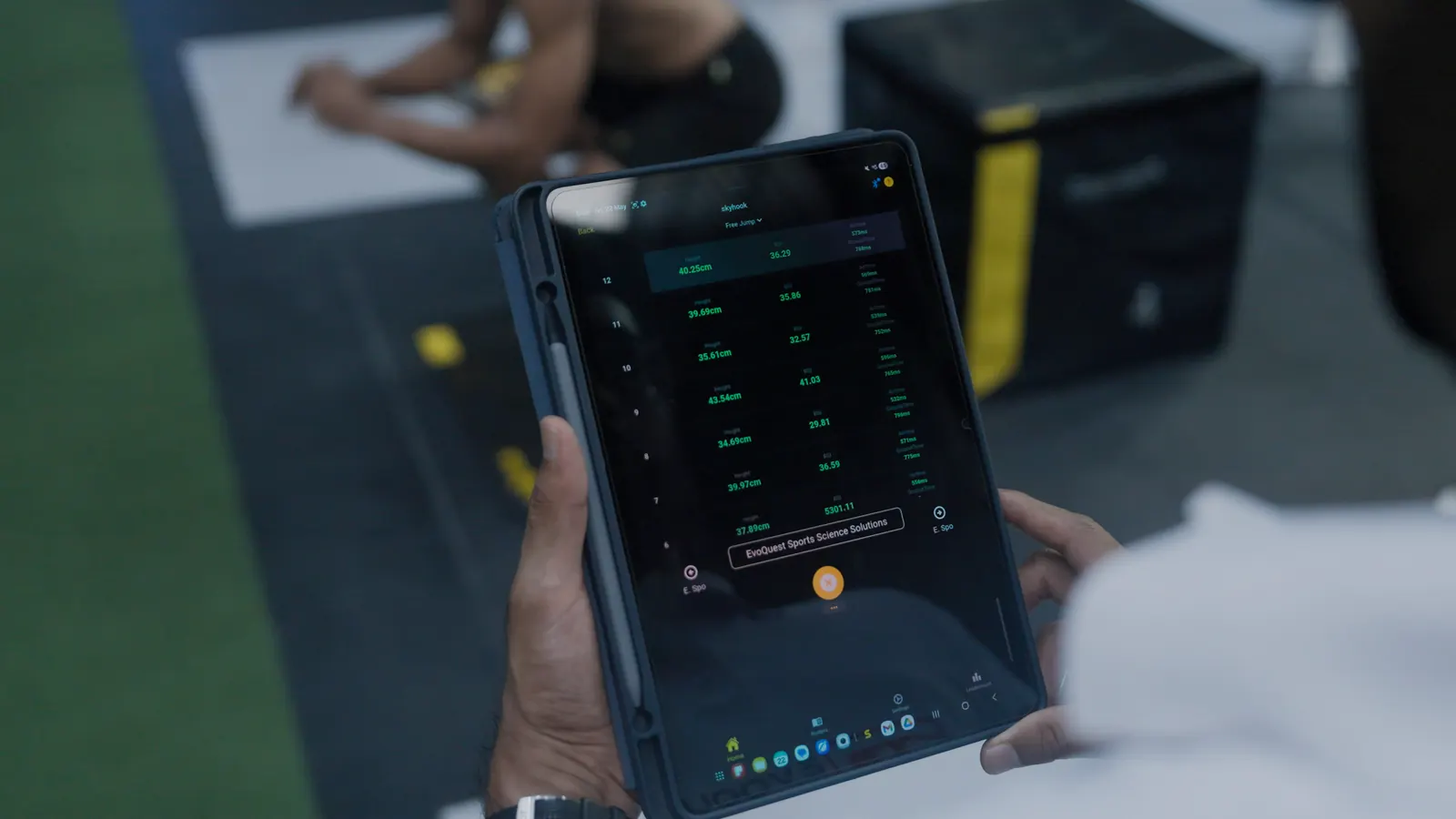
Objective testing and athlete monitoring provide the information needed to understand performance and guide training decisions.
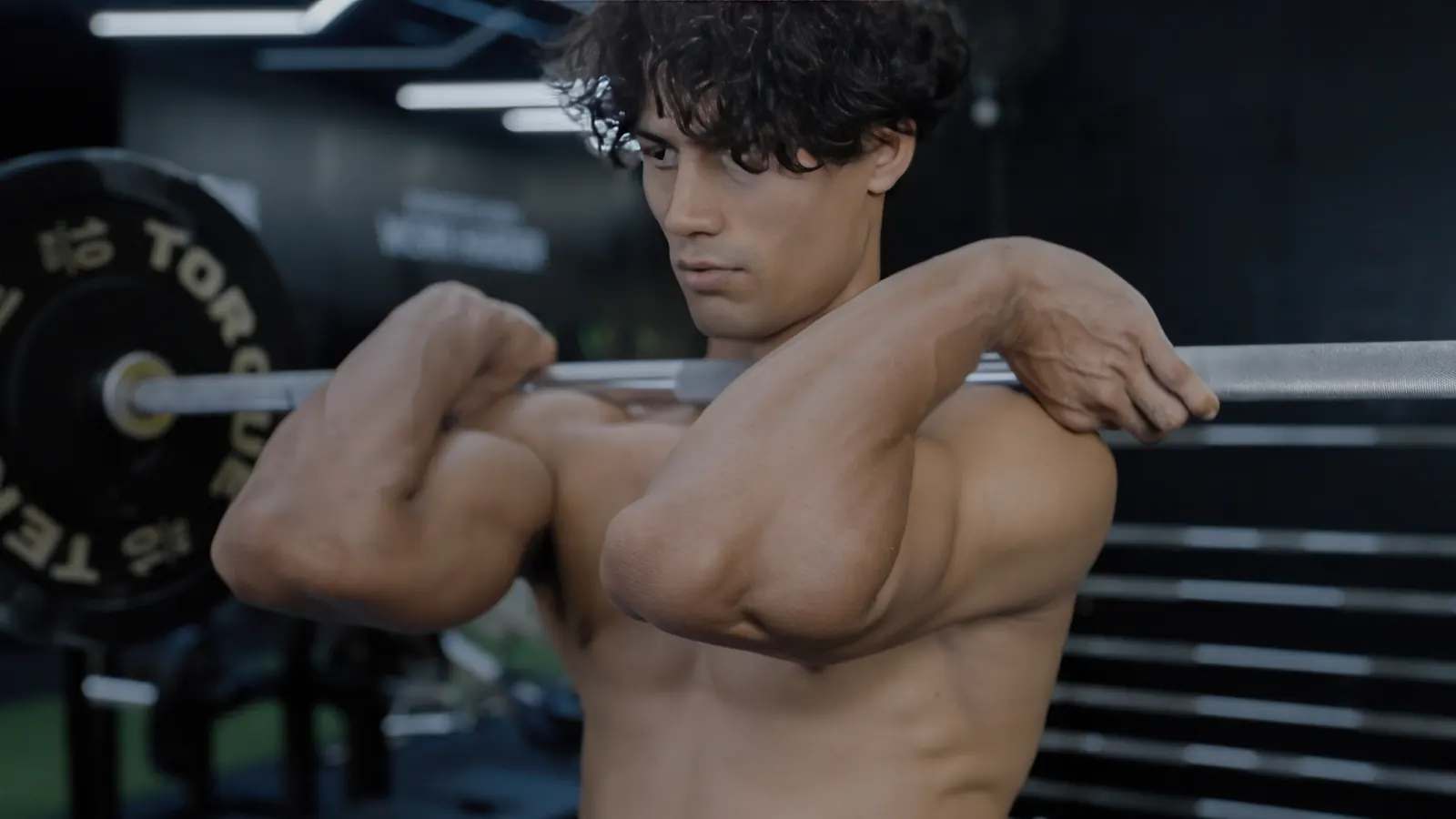
Develop the strength, power, speed, endurance and movement qualities required for performance.
Align nutrition with training demands, competition, recovery and the athlete's individual requirements.
Develop the psychological skills required to perform consistently under pressure.
One athlete, the same test battery, four months apart. No names, no rounding up — this is what the re-test report says.
| Measure | March baseline | July re-test | Change |
|---|---|---|---|
| VO₂max | 59.5 ml/kg/min | 63.0 ml/kg/min | +5.9% |
| Reactive strength (CMJ RSI) | 73.94 | 169.78 | +129.6% |
| Back squat 1RM | 112 kg | 120 kg | +7.1% |
| Bench press 1RM | 76 kg | 82 kg | +7.9% |
| 10 m sprint | 1.90 s | 1.83 s | 3.7% faster |
| 5-0-5 change of direction | 3.92 s | 3.69 s | 5.9% faster |
| Unilateral symmetry | 66.6% | 94.1% | +41.3% |
| Body fat | 19.4% | 15.0% | 4.4 points leaner |
Athletes and coaches applying a more informed approach to performance.
“What sets EvoQuest apart is the depth of assessment behind the training. Their sports-science technology provides objective insight into performance, and the training is then built around those findings. It brings a genuinely individualised approach to performance.”
“After a long injury journey, I learned that being cleared to play was only part of returning to football. EvoQuest’s assessments showed what still needed rebuilding, and the training progressed towards the demands of the game. I wasn’t just returning. I was preparing to perform again.”
“What I value about EvoQuest is how they combine sports science with practical coaching. Technology provides objective insight into what an athlete needs, but the real value comes from turning that information into meaningful training decisions. That is an important part of modern athlete development.”
“My assessment results showed me exactly where I could improve. The programme was built around them, so every session had a clear purpose.”
“EvoQuest tests what MMA actually demands, then builds the training around the results. My preparation became more targeted, not just heavier.”
“EvoQuest looks beyond basic fitness. The testing showed me what sits behind my performance and gave my training a clear direction.”
“The assessment showed me where I could improve and why I was doing each part of my training. It made my cricket preparation more structured.”
Serious young athletes from age 9 upward, competitive or elite adult athletes, and athletes who want to return to performance after an injury. You do not need to be at a national level — you need to be training regularly and want to know why your progress looks the way it does.
No, and we will not replace your physio. They help you recover; we help you return to performance. Once your clinician has cleared you to train, we measure the gap between your injured and uninjured side — force, speed, balance, repeat efforts — and train it until you are back toward the level you were at before.
3 hours. Bring training shoes, kit you can move in, and any recent injury history.
There is no fixed price. What an athlete needs differs from sport to sport and from one individual to the next, so we quote once we know your sport, your level and what you are working toward. Ask on the free 20-minute call or in the booking form.
A written report explaining what was measured and what it means, plus a training programme built from those results that you can start the same week.
Yes. For athletes under 18 we ask that a parent or guardian is present or reachable, and progress updates go to the parent as well as the athlete.
Tell us your sport, your goals and where you are now. We will tell you honestly what would help — and what would not.