
Start A Conversation
Programs

Train for where you are. Prepare for where you’re going.

EvoQuest programmes are designed around the athlete’s stage of development, training experience, sporting demands and performance goals — creating the right pathway for what comes next.

Foundation · Performance · High performance · Return to performance

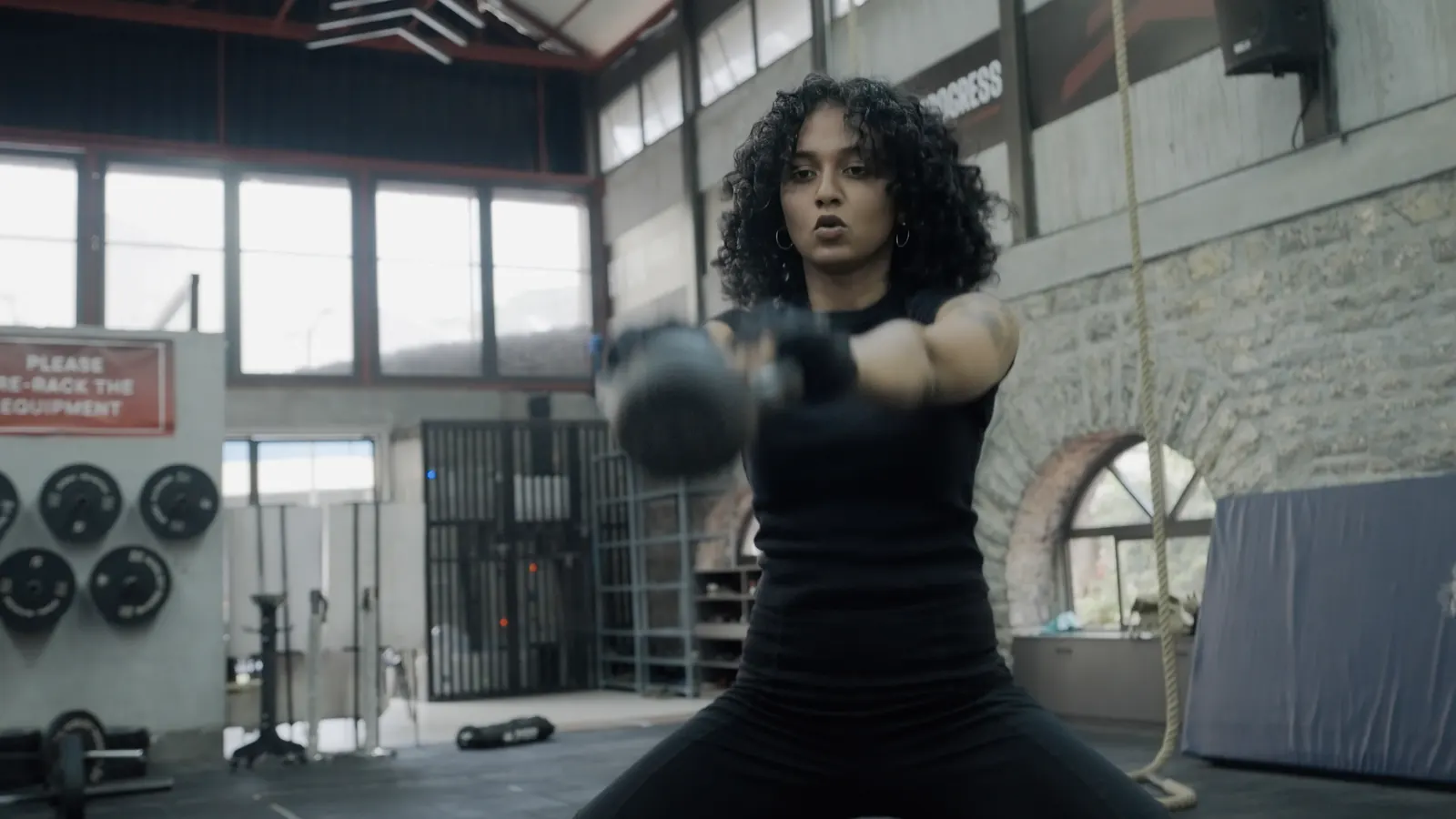
Athlete swinging a kettlebell in the EvoQuest training space
Core philosophy

Not every athlete should train the same way.

An athlete’s needs change as they grow, mature, train and compete. The programme should change with them.

Foundation

Physical foundations for long-term development.

Performance

The qualities required to perform and compete.

High performance

Individualised training, monitoring and competition preparation.

Return to performance

Rebuilding capacity and preparing for the demands of sport after injury.

The goal is not simply to train harder. It is to train appropriately for the athlete in front of us.

Programme placement

Age is only one part of the picture.

Placement considers four things together, not chronological age alone.

Chronological ageWhere the athlete is in their development timeline.
Biological maturationHow the athlete is physically developing.
Training agePrevious exposure to structured strength, conditioning and athletic training.
Sporting levelThe demands placed on the athlete by their sport and competition.
StagePrimary emphasisWhat develops
FoundationMovement & athletic literacyCoordination · movement competency · fundamental strength · speed exposure
DevelopmentPhysical foundationsStrength · speed · power foundations · conditioning · movement quality
PerformanceSport performanceStrength · power · speed · conditioning · sport demands
High performancePerformance optimisationIndividualisation · monitoring · specificity · competition preparation

Age ranges are indicative, not definitive. Placement considers maturation, training experience, sporting level and individual needs — the athlete, not the birthday.

Find your programme

Four pathways. One starting point.

Build the athlete.

For young athletes developing the physical and movement foundations required for long-term sporting development.

FocusMovement competency, coordination, fundamental strength, speed foundations, athletic literacy, physical confidence.

Best suited forYoung athletes developing fundamental physical competencies.

You leave with

A young athlete who moves competently and confidently under load, ready to build sport-specific qualities.

How athletes progress

The goal isn’t the next programme. It’s the next stage.

FoundationPerformanceHigh performance

This progression is not automatic. An athlete moves on when their physical qualities, movement competency, training experience and sporting demands justify the next stage. Progression is earned through development — not determined by the calendar.

The EvoQuest progression loop

Progression is measured.

Assess

Understand the athlete.

Train

Develop the required qualities.

Monitor

Track response and progression.

Reassess

Determine what has changed.

Progress

Adapt the pathway.

Athletes don’t move through a programme because the calendar says so. This is the same system behind your performance profile — placement and progression both run on measurement, not assumption.

Honest fit

Who this is for — and who it is not.

This is for you if

  • You (or your athlete) have a defined, stage-appropriate goal — not just “get better”
  • You are willing to be placed on assessment, not on requested level
  • You accept that progression is earned, not guaranteed on a timeline
  • You are open to reassessment changing the programme as you develop

This is not for you if

  • You want High performance without the training age or assessment to support it
  • You want Return to performance without clearance from your treating clinician
  • You want a fixed programme with no reassessment
  • You want a guaranteed progression timeline rather than a criteria-based one
Proof

Development you can see in the next stage.

Not every case is a stage promotion. A high-performance athlete improving through a season, or a return-to-performance athlete reaching full training, are equally valid outcomes.

Return to performance

Fighter · ACL injury

“Here we could actually look at how I was moving, how I was producing force, where I was compensating, what I could improve. I got to understand my body a lot better and over time I got better too.”

In his own words — watch the full film below.

Watch his story
Measured over four months

Ultimate frisbee · 28

Reactive strength index 73.94 → 169.78. 10 m sprint 1.90 s → 1.83 s. Body fat 19.4% → 15.0%. Left-right symmetry 66.6% → 94.1%.

March baseline against July re-test, same battery.

See the full data
What the profile found

Badminton · national singles

Squat-jump power at the 98th percentile — but 10 m acceleration at the 16th and a 20.6% drop-off across six repeated sprints. The strength was there; it was not reaching the court.

Percentiles against published female badminton references.

See the full data
Start here

The next stage starts with the right starting point.

You don’t need to know which programme you need. That’s what the assessment and the consultation are for.

Start with a conversation

Get in Touch Book a free 20-minute call

Free · Online · No obligation