
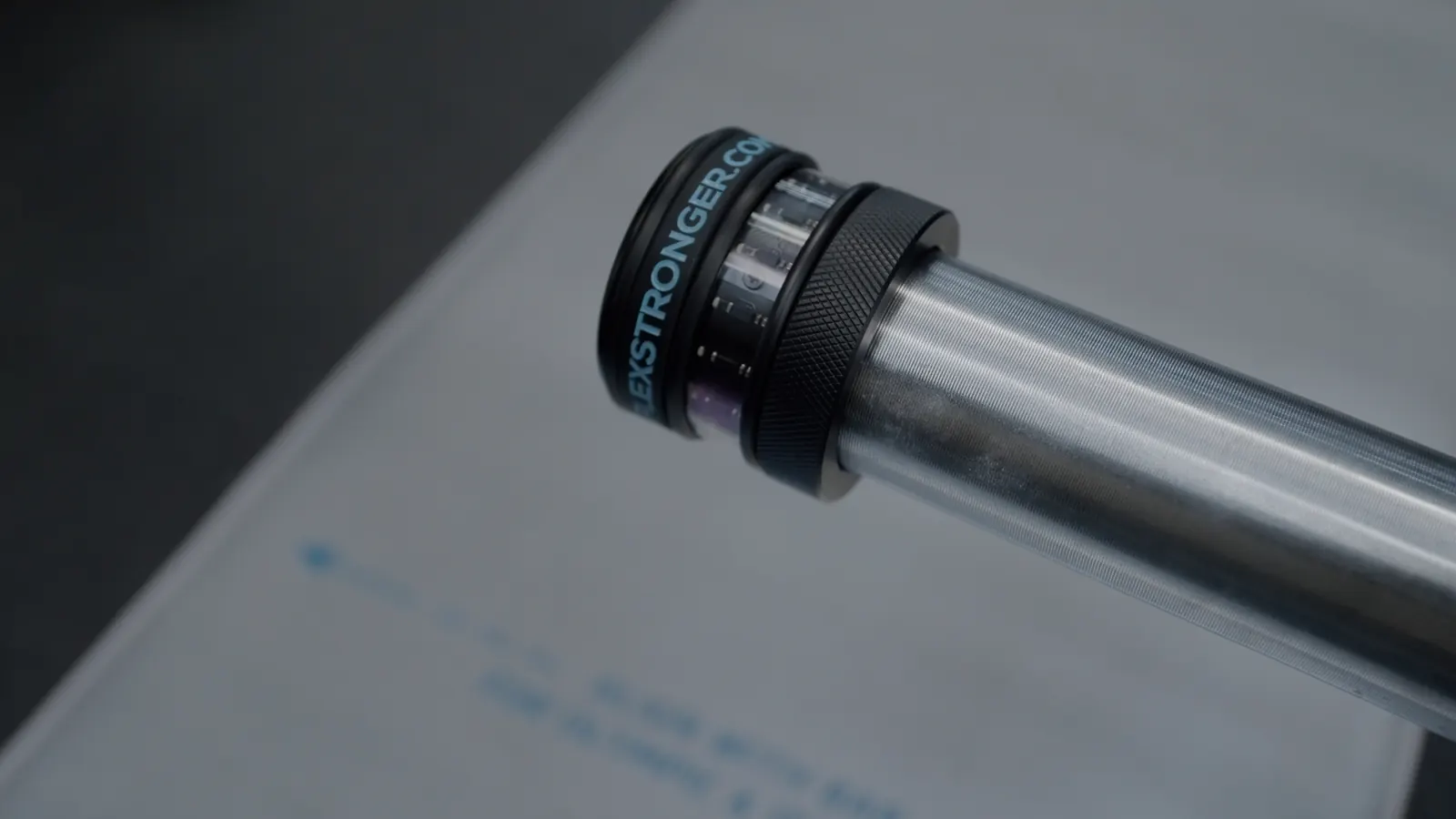
Velocity-based training
Lift with intent. Makes sure athletes train at the load that actually develops strength and power.
Objective insight to understand performance, identify opportunities and make better decisions — for every athlete. Plain language first; the technical name second.
Each film was shot during an EvoQuest session. Pick a tool to see what it measures.
Gates at the 10, 20 and 30 metre marks show where top speed arrives, where it starts to drop, and how well it is held across the whole run. On the pitch, GPS adds top speed and acceleration in real play.
Equipment usedTiming Gates · GPS
The force mat under your feet records how you push off and land: jump height, how quickly your muscles switch on, how you absorb impact, and whether one leg is quietly doing all the work.
Equipment usedForce Mat
A handheld strength meter measures the maximum force a muscle group can produce, so left-right imbalances show up before they turn into an injury. Bar speed and force-mat data show how that strength carries into lifting and jumping.
Equipment usedMuscle Meter · VBT · Force Mat
VBT works like a speedometer for your training, measuring the speed of every rep so you build power, not just bulk. It shows when you are too tired to train hard even if you feel fine, and when your bar speed drops so you know when to rest — alongside force-mat jumps and muscle-meter readings.
Equipment usedMuscle Meter · VBT · Force Mat
A finger-prick lactate reading shows where your muscles move from clean fuel to fatigue, and heart rate shows what it costs you, so endurance training is set to your chemistry, not to how tired you feel.
Equipment usedLactate Meter · Heart Rate Monitor
A GPS unit worn in training records distance, top speed, how explosively you accelerate and where the work happened, and a heart-rate strap shows how hard it was on the inside — so load is measured, not guessed.
Equipment usedGPS · Heart Rate Monitor
A chest strap maps every session live: resting rate, how your heart reacts at full effort, how fast it recovers, and how long you spend in each training zone.
Equipment usedHeart Rate Monitor
A quick scan splits your weight into muscle and fat, with hydration and metabolic rate, so cutting weight or coming back from injury is not guesswork.
Equipment usedBody Scan
If a number cannot change a training decision, we do not collect it.
Lift with intent. Makes sure athletes train at the load that actually develops strength and power.
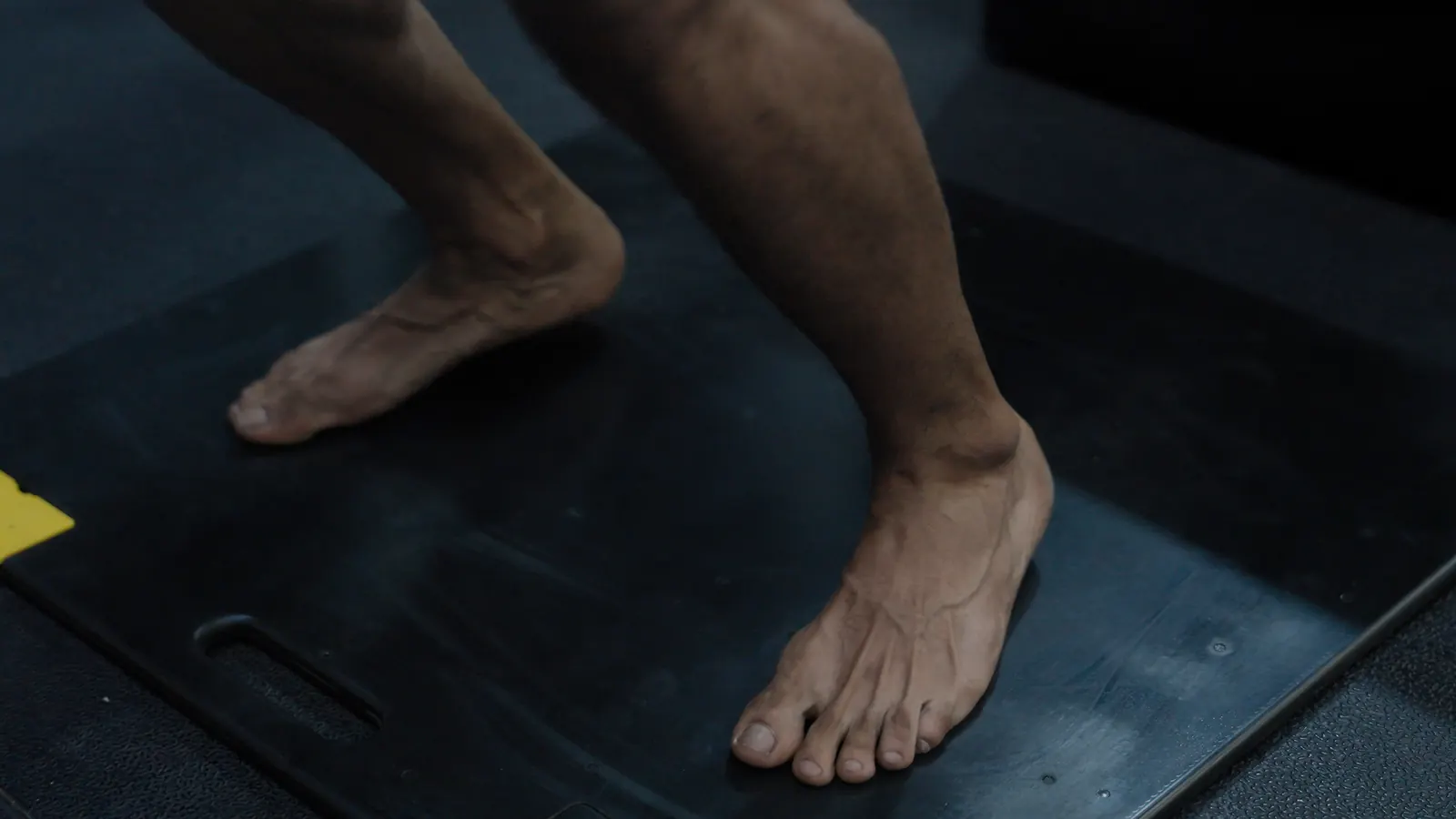
The power leak. Identify asymmetries, reactive-strength deficits and explosive limitations.
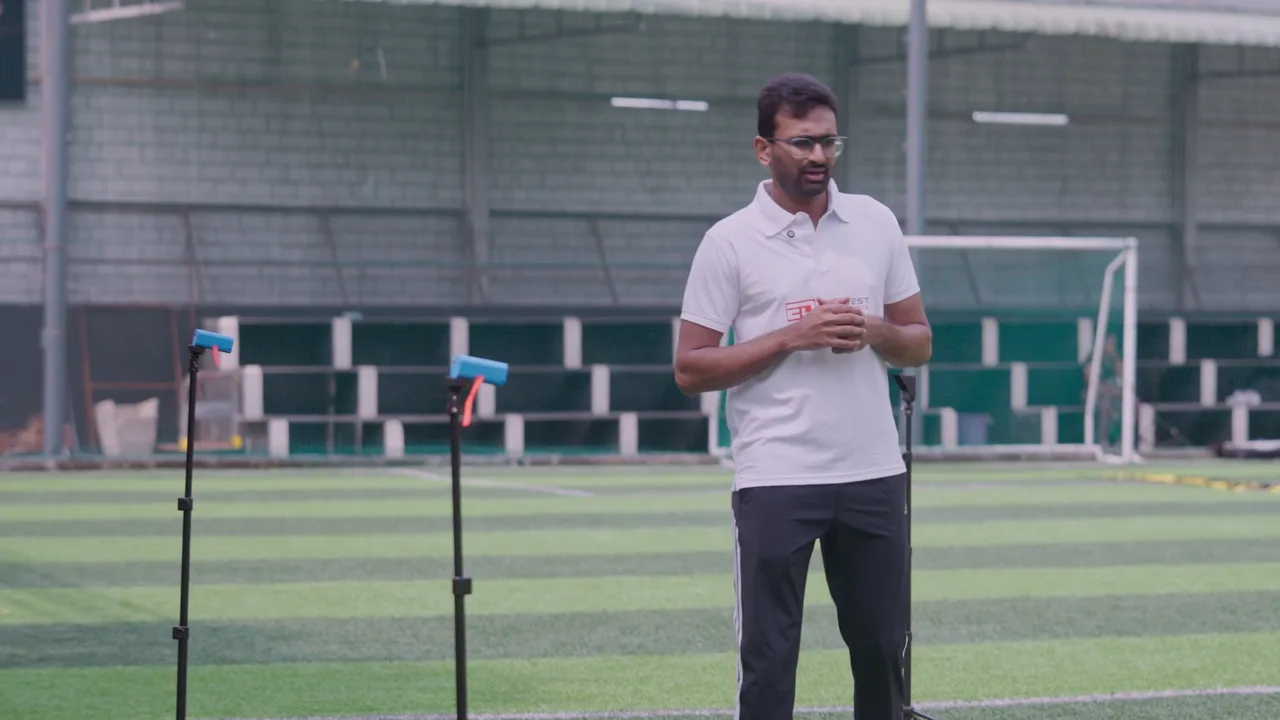
The speed catalyst. Measure acceleration, peak speed and change-of-direction ability.
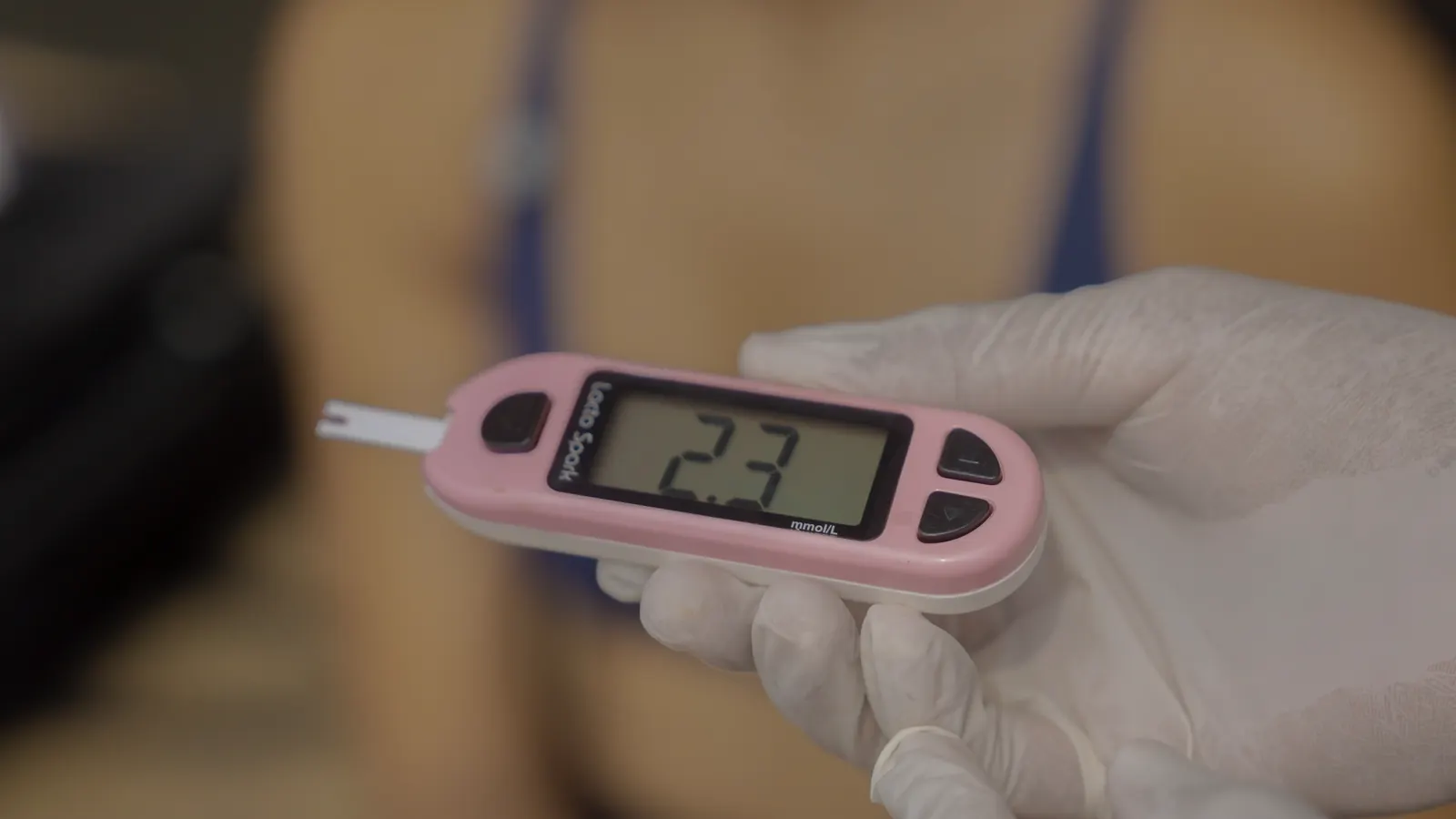
Metabolic precision. Identify physiological thresholds and training zones.
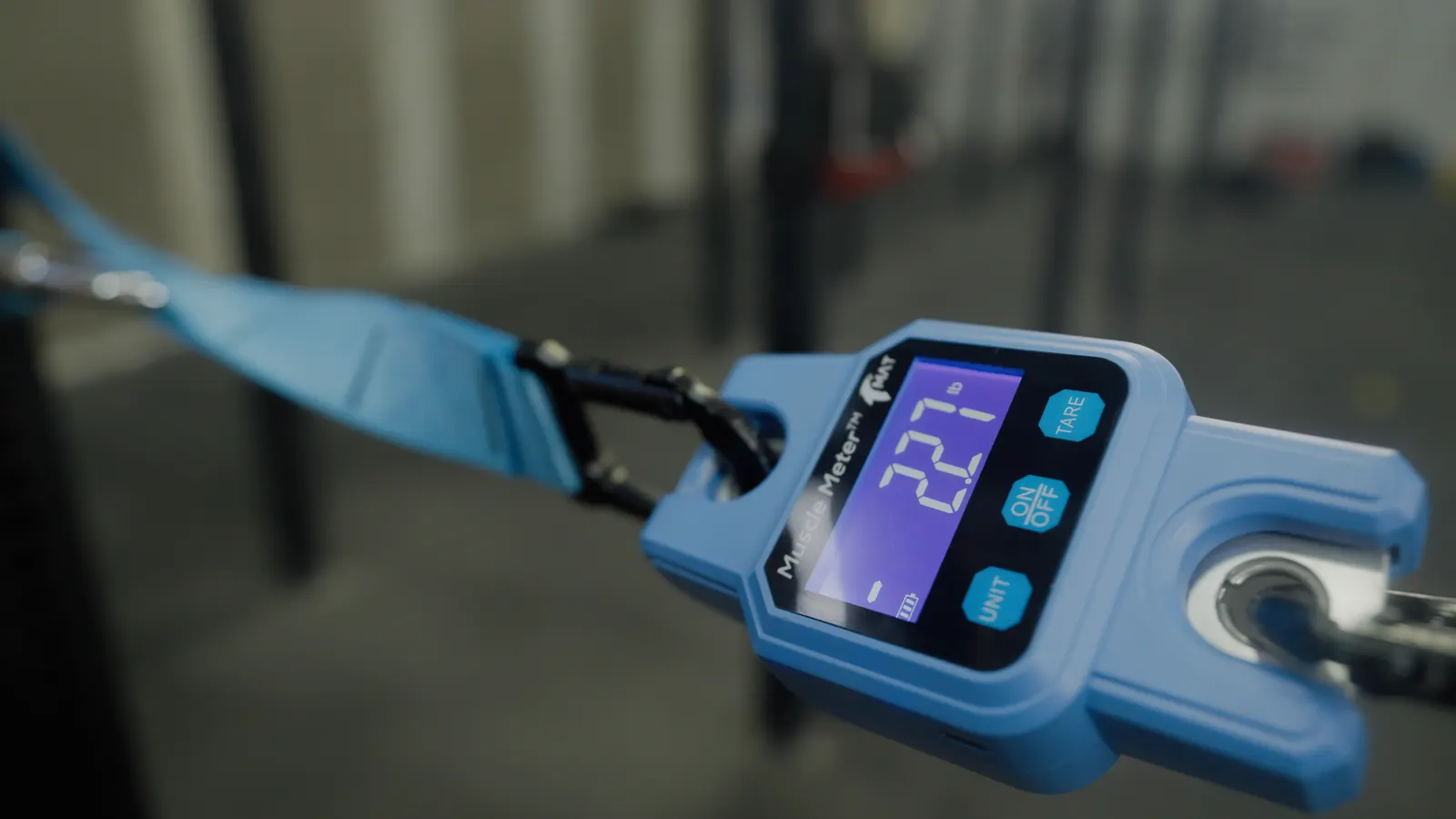
Neuromuscular readiness. Detect fatigue, acute neuromuscular status and left-right strength imbalances.
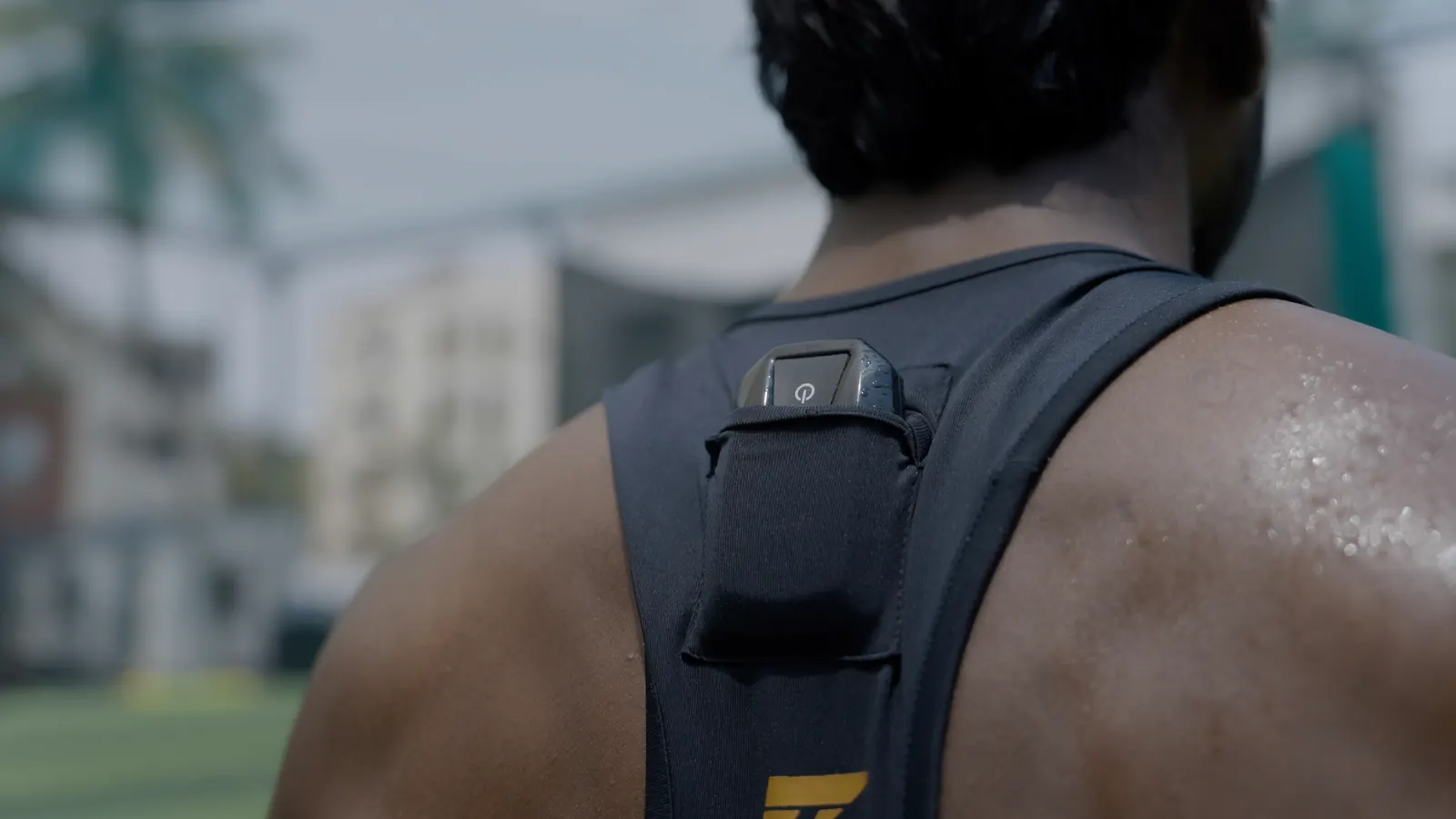
Spatial intelligence. Track movement demands and total workload.
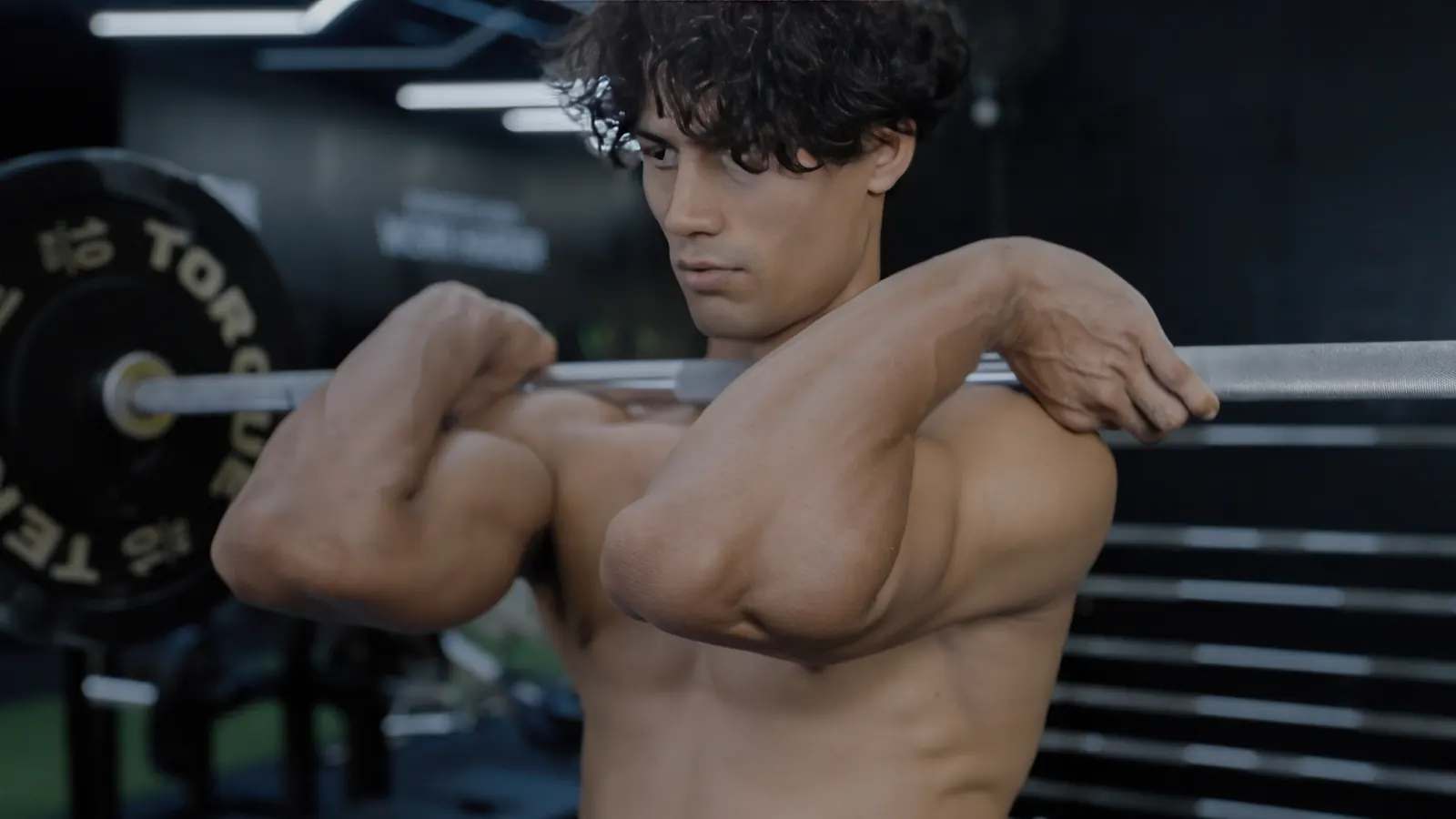
Movement intelligence. Improve movement efficiency and reduce injury risk.
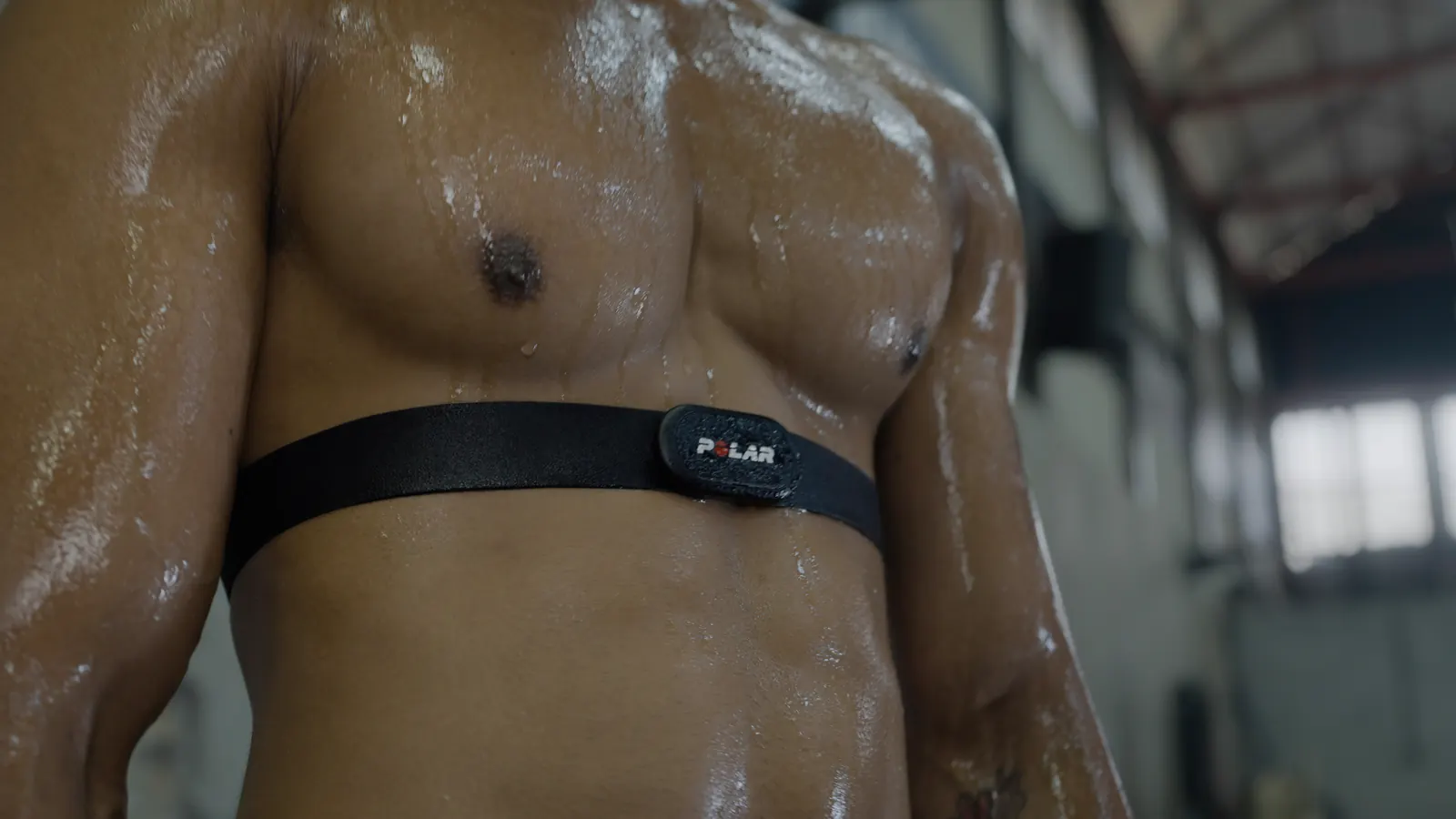
Internal load oversight. Monitor physiological stress and recovery.
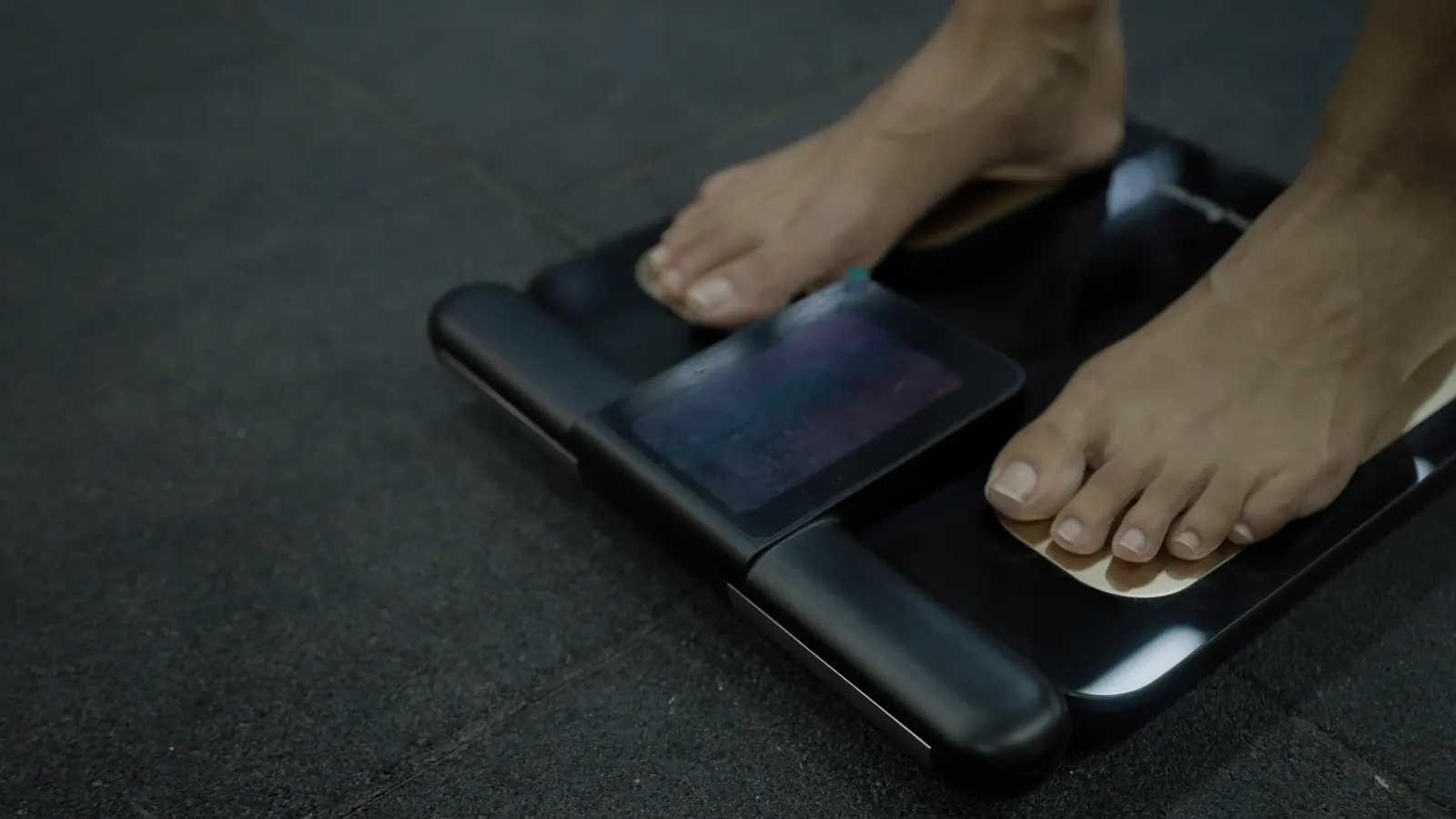
Anatomical blueprint. Track lean mass and athlete development.
Every tool feeds one document: your performance profile. See what the profile contains.
Tell us your sport, your goals and where you are now. We will tell you honestly what would help — and what would not.