
Pickleball mobility exercises: hips, ankles, shoulders and wrists for dinks and volleys
Pickleball players spend most points in a low ready stance near the kitchen line, with side steps, deep reaches for dinks and quick overhead blocks. Mobility work should keep the hips, ankles and calves free for bending low, and the shoulders, wrists and upper back free for volleys and overheads.
 Cibiraj Sathishkumar · Accredited Exercise and Sports Scientist, Founder of EvoQuest
Updated · 4 min read
Key takeaways
- The kitchen line game keeps you bent at the hips and knees for long stretches.
- Quick reaching steps for a low dink load the hip flexors, groin and ankles.
- Short, fast volleys and overheads stress the shoulder and wrist.
- Players of all ages take it up, so mobility goals should match your starting joint health.
- Dynamic drills before play and gentle stretches afterwards suit most players.
On this page
Low stance, quick reaches
A pickleball court is small, so you rarely sprint. You do hold a half-squat, push sideways off one leg, reach down for a dink and push back up for a block at the net. That position can be tiring for tight hips and ankles, and the deep reach tempts people to bend the lower back instead.
Pickleball-specific injury research is limited, so this article relies on general sources. General guidance such as the Lauersen review of exercise programmes suggests combining strength and balance work with range, so treat mobility as one piece of a plan.
Beginners often find the first month surprising, because the game feels gentle but the calves, hips and shoulders do repeated small efforts. That is common in racket sports that people pick up in their 40s and 50s, and it is the reason a daily five-minute routine works better than one long weekend session.
Hips, groin and ankles for the kitchen game
Holding a low ready stance asks for hip flexion and external rotation, plus ankle dorsiflexion so the knees can travel over the toes. When the ankle runs out of range, the heels lift and the player leans forward.
The wide side step to chase a drop shot loads the adductors. A gentle adductor stretch and a lateral lunge prepare the groin, which can strain when it is cold and pulled quickly. Older players or anyone returning from a break should build the range gradually.
Shoulder, wrist and elbow
Volleys use short, firm contacts, and overhead smashes need a full reach. The shoulder must lift the arm without pinching, and the upper back must extend. A rounded upper back is common in office workers who take up pickleball, so thoracic drills often pay off.
Wrist extension and forearm flexibility help with the grip and the paddle's flick. Add a stretch for both sides of the forearm, and mention outer elbow pain to a physio instead of pushing through.
Eight-minute routine
Move slowly, breathe easily and keep every stretch pain free.
Use the first four before play, next to the pickleball warm-up.
Quick self-tests
A significant gap or any pain is a reason to see a physio. If you have a hip or knee replacement, follow the advice of your surgeon.
Match-day tips and what to avoid
Before play, warm up with leg swings, side steps and a few easy overheads. Stretching reviews such as Behm and colleagues report that long static holds can reduce power briefly, which matters little for dinking but can slow your first volleys, so do them afterwards.
Avoid bouncing into a deep lunge, and do not stretch a sore Achilles hard. Players over 50 should favour slow control drills, and anyone with joint disease or dizziness should check with a doctor.
On days you play twice, keep the second routine to two or three drills and a short walk. If a hip or knee feels stiff the next morning, reduce depth for a day or two. Sharp pain, swelling or locking in a joint is not stiffness and needs medical advice.
Choose a paddle grip size that lets the fingers wrap without strain, since a grip that is too thick or thin makes the forearm work harder than the stretches can offset.
Heat, courts and the lab
Outdoor courts in Coimbatore get hot by late morning. Play early, wear a cap and drink through the session.
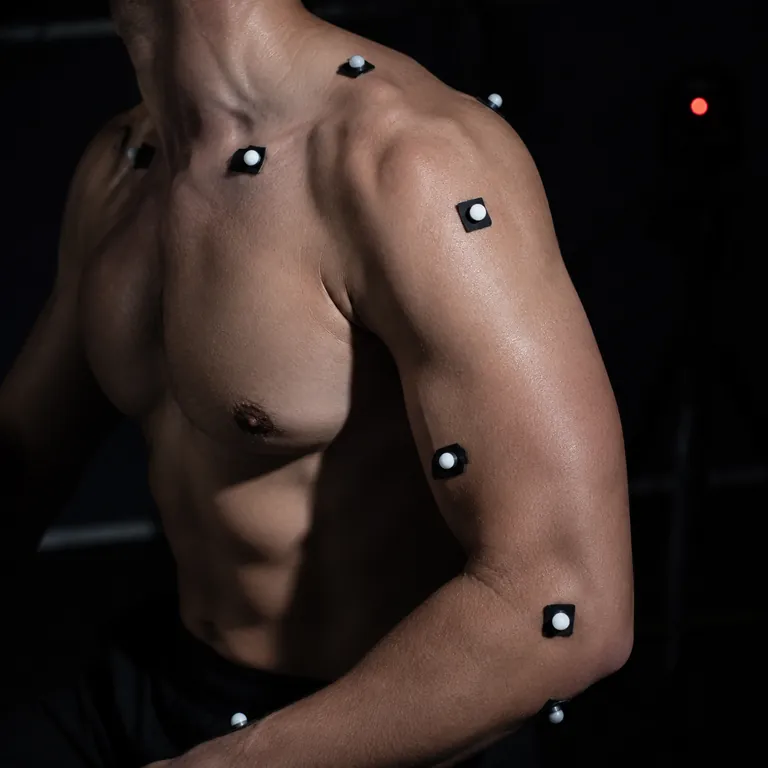
At EvoQuest, motion analysis can track how deep you bend and how the knees travel in a squat, and dynamometry compares grip and shoulder strength between sides. A free 20-minute call explains how those checks work for recreational and competitive players.
Frequently asked questions
What mobility helps pickleball players most?
Hip and ankle range for the low stance, adductor length for side steps and shoulder and wrist drills for volleys and overheads. Pick two or three based on a quick self-test and repeat them most days.
Do older pickleball players need different stretches?
The drills are similar, but older players should go slower, avoid deep end ranges and add balance work. Anyone with joint replacement, osteoporosis or heart conditions should ask a doctor first.
Why do my hips tighten after pickleball?
A long half-squat and side steps keep the hip flexors and adductors working. Short rests and a warm-up may help. If the tightness hurts, lasts several days or comes with groin pain, see a physio.
Should I stretch my wrists for pickleball?
Gentle wrist and forearm stretches are reasonable, especially after long sessions. They do not replace grip strength work or a correct paddle size. Persistent elbow or wrist pain needs a physio.
Can mobility prevent injuries in pickleball?
Not alone. Programmes that combine strength, balance and range show better support in prevention reviews. Add leg strength, gradual playing time and rest days to your mobility work.
This article is general education. Train within your current ability and get coaching if you are unsure about technique.
References
- The effectiveness of exercise interventions to prevent sports injuries: a systematic review and meta-analysis of randomised controlled trials (Lauersen et al.) British Journal of Sports Medicine, 2014
- Acute effects of muscle stretching on physical performance, range of motion, and injury incidence in healthy active individuals: a systematic review (Behm et al.) Applied Physiology, Nutrition, and Metabolism, 2016
Cibiraj studied Exercise and Sports Science at Deakin University in Australia and worked as a strength and conditioning coach for cricket and football clubs in Melbourne before founding EvoQuest in Coimbatore. He runs the performance assessments and writes every diagnostics report, so the person who measures you is the one who explains the numbers.