
Padel mobility exercises: hips, shoulders, upper back and wrists for wall play
Padel is played in a small glass-walled court with short, quick steps, deep lunges, overhead bandejas and swings off the back wall. Mobility work should cover the hips for low stances, the thoracic spine and shoulder for overhead shots, and the wrist and forearm that grip the racket all match.
 Cibiraj Sathishkumar · Accredited Exercise and Sports Scientist, Founder of EvoQuest
Updated · 4 min read
Key takeaways
- Padel points are short, with many split steps, lunges and turns in a small area.
- Overhead shots such as the bandeja and vibora load the shoulder and upper back.
- Playing a ball off the back wall means turning the trunk and hips quickly.
- Racket-sport reviews list the shoulder, elbow, wrist and ankle among frequent problem sites.
- Use dynamic drills before a match and keep long static stretches for the end of the day.
On this page
A small court with big movement demands
Padel courts are 10 metres by 20, with walls on all sides, so players move in short bursts rather than long sprints. A rally mixes small shuffles, a deep lunge to a low ball, a turn to read the glass and an overhead to finish the point.
Padel-specific injury research is thin, so this article leans on general racket-sport evidence. Pluim and colleagues on tennis injuries and the shoulder review for overhead sports describe the shoulder, elbow and lower limb as common sites. Padel shares the overhead swing and the stop-start footwork, so those cautions are a sensible starting point, not proven padel figures.
Hips and ankles: lunges, split steps and turns
Low balls near the glass demand a lunge with the back leg long and the front knee over the toes. A stiff hip flexor on the trailing leg shortens the lunge, and a stiff ankle on the front leg sends the knee inward.
Turning to follow a ball off the wall adds hip rotation. Both hips should rotate by a similar amount, because the game asks you to turn each way equally. Check the side you turn toward less often.
Shoulder and thoracic spine: bandeja, vibora and smash
The bandeja is a controlled overhead shot hit with a high elbow and a slice. It needs shoulder elevation and external rotation without the lower back arching. The upper back must extend, otherwise the arm drifts forward and the swing loses height.
Shoulder blade control matters as much as range. Slow wall slides and rows help the blade rotate upward during the swing, and the overhead sports review lists scapular control among the factors it discusses for shoulder injuries.
Wrist, forearm and elbow
Padel rackets are short and solid, so the grip holds firm for long rallies and volleys at the net. Tight forearm muscles and weak wrist control are linked in clinical practice to elbow pain. Stretch the wrist extensors and flexors gently and ask a physio about any pain on the outer elbow.
Grip pressure is worth a mention. Squeezing the handle hard through every volley overloads the forearm, so loosen the hand between shots and shake out the wrist at changeovers. A few finger-spreading and fist-opening reps in the break add a little extra release for the muscles you used.
Nine-minute routine
Complete the floor drills first and the standing drills last.
Fit the standing items after the jog in the padel warm-up.
Self-tests
Pain on any test, or a large side-to-side gap, is a prompt to see a physio. Repeat the tests monthly under the same conditions.
Match-day timing and the glass court
Before a match use the lunge, ankle and shoulder drills, plus a few easy overheads. Behm and colleagues, reviewing acute stretching, report that long static holds can reduce force and power for a short time, so do those afterwards.
Avoid forcing the shoulder behind the body or pulling hard on the front of the shoulder. Players who play several matches in a weekend tournament should keep the routine light and hydrate often.
Heat, courts and the lab
Many padel courts in India are outdoors, with synthetic turf that grips and holds heat. Play early or late if possible and carry water between games.
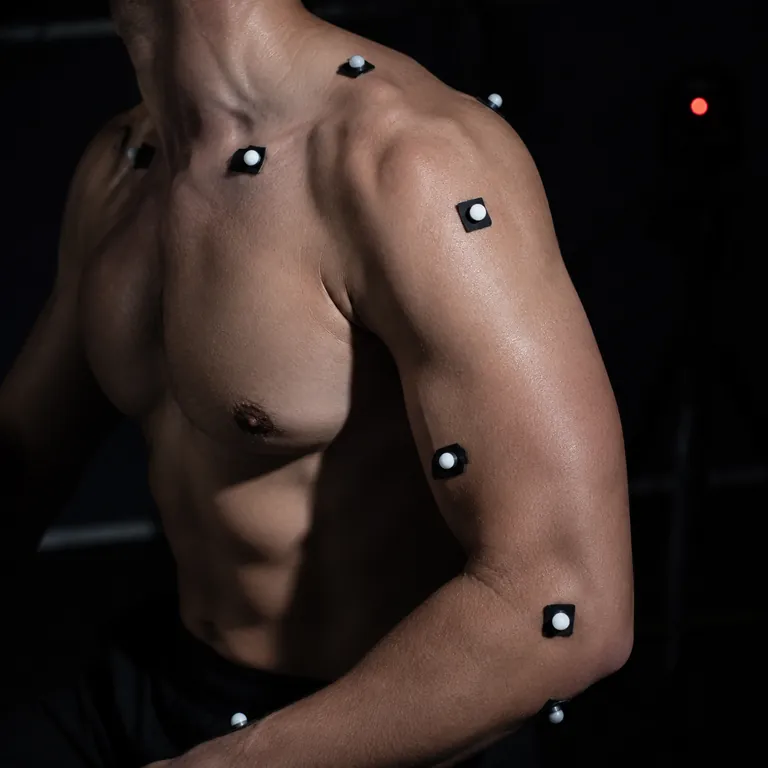
At EvoQuest, motion analysis can show how the hips and trunk rotate during a lunge, force plates compare left and right push-off and dynamometry checks shoulder rotation strength. Those numbers help prioritise your routine. A free 20-minute call is a good first step.
Frequently asked questions
What is the best mobility work for padel?
Hip flexor and lunge drills, ankle rocks, thoracic extension and shoulder elevation cover most demands. Add wrist and forearm stretches for grip. Use your self-tests to decide which area gets extra time.
Do padel players need shoulder mobility?
Yes, for overheads such as the bandeja, smash and vibora. Combine range work with blade control and rotator cuff strength. Any pain during a swing needs a physio visit rather than more stretching.
How can I stop my lower back tightening in padel?
Improve hip flexor length and thoracic extension so the lower back does not do all the bending. Strengthen the core and glutes. Persistent or radiating pain should be checked by a doctor or physio.
Should I stretch statically before padel?
Choose dynamic drills such as lunges, leg swings and arm circles. Long static holds before play may reduce power briefly, per stretching reviews, so do them after the match if you want them.
Is wrist mobility worth the time?
A short wrist routine is cheap and fits easily at the end of a session. Gentle stretches help forearm comfort, but pain at the elbow or wrist during play needs a physio, because rest and strength changes may be needed.
This article is general education. Train within your current ability and get coaching if you are unsure about technique.
References
- Tennis injuries: occurrence, aetiology, and prevention (Pluim et al.) British Journal of Sports Medicine, 2006
- Risk factors and prevention strategies for shoulder injuries in overhead sports: an updated systematic review Journal of Experimental Orthopaedics
- Acute effects of muscle stretching on physical performance, range of motion, and injury incidence in healthy active individuals: a systematic review (Behm et al.) Applied Physiology, Nutrition, and Metabolism, 2016
Cibiraj studied Exercise and Sports Science at Deakin University in Australia and worked as a strength and conditioning coach for cricket and football clubs in Melbourne before founding EvoQuest in Coimbatore. He runs the performance assessments and writes every diagnostics report, so the person who measures you is the one who explains the numbers.