
How to Improve Recovery for Table Tennis Players
To improve recovery for table tennis, treat tournament days as the main challenge: eat and drink between matches, keep the back, neck and wrist loose, and sleep well before early draws. Rallies are short, but a whole day in a hall with many matches wears down legs, trunk and concentration.
 Cibiraj Sathishkumar · Accredited Exercise and Sports Scientist, Founder of EvoQuest
Updated · 4 min read
Key takeaways
- Table tennis fatigue comes from repeated short bursts across a long day, not from one hard effort.
- Between-match routines for food, fluids and light movement protect the next match.
- Low crouched posture strains the lower back and hips; reset them between games.
- The wrist, elbow and shoulder of the playing arm need steady load management.
- Mental tiredness is a real recovery cost; sleep and breaks help it more than any gadget.
On this page
Why table tennis recovery is unusual
A single point lasts only a few seconds, and the heart rate in a match is often moderate. That fools people into thinking recovery is not an issue. The cost comes from repetition: hundreds of rapid starts, stops and lunges to cover a 2.74 m table, held in a bent posture, with a racket arm that swings at speed all match long.
Tournaments make it harder. A player may play five to ten matches across a day or a weekend, with long waits in between. Recovery is therefore partly physical and partly about attention and routine.
Recovery between matches on tournament day
The best plan is simple and the same every time. After a match, cool down with two to three minutes of walking and easy shoulder and hip movement. Drink, then eat something light within about 30 minutes if the next match is more than an hour away.
Heavy meals just before play can leave you sluggish. Keep sugary drinks to small amounts and avoid trying new foods on match day.
Look after the back, hips and neck
The standard ready position puts the trunk forward and knees bent. Over a long day that loads the lower back, hip flexors and neck. Between games, stand tall, take a few deep breaths, and do slow hip hinges or gentle trunk rotations to ease the stiffness.
A scoping review of table-tennis injuries and a systematic review of musculoskeletal injuries in competition both describe the lower back, shoulder, elbow, wrist and lower limb as places where problems turn up. Strength work for hips, trunk and shoulder blade muscles helps, as does the habit of reporting pain early.
Playing arm: wrist, elbow, shoulder
The racket arm repeats small high-speed actions. After long sessions, it helps to take the wrist and forearm through gentle range of movement, stretch the forearm flexors and extensors lightly, and give the shoulder a few easy circles. Rubber and blade changes, a new grip, or a sudden jump in practice hours often precede pain.
If the elbow or wrist hurts when gripping, or pain increases through a session, rest the arm, reduce volume, and see a physio or sports doctor. Do not play through pain that changes your stroke.
Sleep, hydration and the early draw
Tournament hall air-conditioning and long days can dry you out. Take a bottle to your table and sip often. Pack your own food so you are not relying on whatever the venue sells.
Sleep before an early draw matters for reaction speed and concentration. Aim for a regular bedtime in the week leading up to the event, and avoid late-night phone use the night before. Travelling to an away event often disturbs sleep, so arrive early where you can.
Weekly training load and warning signs
Between tournaments, vary hard multi-ball sessions with lighter technical days and some fitness work away from the table. Raise practice hours gradually, because quick jumps in load are linked with injury risk according to the International Olympic Committee consensus on load.
Signs of poor recovery include slower footwork, mistimed strokes, lower back stiffness that lasts beyond the evening, heavy legs, mood changes, and a rising resting heart rate. A load-monitoring consensus recommends combining simple wellness ratings with training records. Use a notebook.
What the lab can show
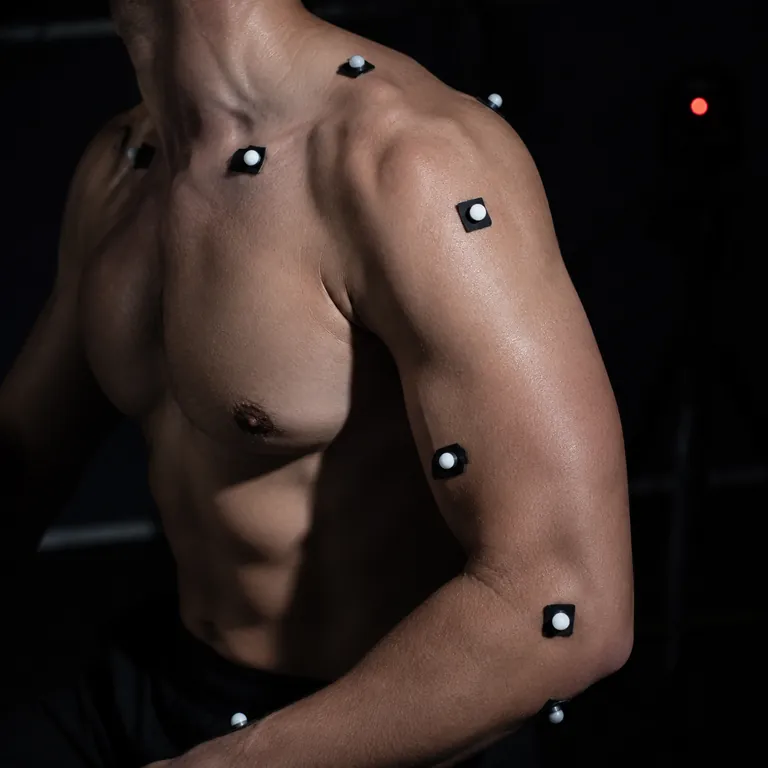
At EvoQuest we use force plates to read leg power and left-right differences, motion analysis to look at lunge mechanics and posture, and heart rate monitoring to follow how a player's body responds across a block. A table tennis player and coach can use those readings to judge whether fatigue is gathering in the legs or back. A free 20-minute call is the way to begin.
Frequently asked questions
How can I recover between table tennis matches?
Cool down with a short walk, drink fluids, and eat a light snack with carbohydrate if you have an hour or more. Keep warm, loosen your hips and shoulders gently, and take a few minutes to reset mentally before the next match.
Why does my lower back hurt after table tennis?
The ready position keeps your trunk forward and knees bent for long periods, which loads the lower back and hip flexors. Strengthening hips and trunk, standing tall between games, and warming up properly help. Persistent pain needs a physio's assessment.
What should I eat on tournament day?
Choose familiar food that sits lightly: bananas, dates, idli, rice with dal, or sandwiches. Drink water often. Avoid heavy, oily meals right before a match and avoid trying new supplements.
How long should I rest the playing arm after a long session?
Mild soreness settles within a day or two with lighter practice. If pain in the wrist, elbow or shoulder lasts longer, rises with gripping, or alters your stroke, rest it and see a physio or sports doctor.
Does table tennis need recovery training at all?
Yes. Heart rates are moderate, but the sport involves repeated short bursts, a crouched posture and fast arm actions across many hours. Sleep, food, mobility and sensible load build-up all help.
This article is general education. Train within your current ability and get coaching if you are unsure about technique.
References
- Epidemiology and risk factors of table-tennis-related injuries: findings from a scoping review of the literature Medicina, 2022 (Biz and colleagues)
- Musculoskeletal injuries in table tennis during competition: a systematic review (Int J Sports Med 2024;45:267-271) International Journal of Sports Medicine, 2024
- How much is too much? (Part 1) International Olympic Committee consensus statement on load in sport and risk of injury British Journal of Sports Medicine, 2016
- Monitoring athlete training loads: consensus statement (Bourdon et al., 2017) International Journal of Sports Physiology and Performance (PubMed)
Cibiraj studied Exercise and Sports Science at Deakin University in Australia and worked as a strength and conditioning coach for cricket and football clubs in Melbourne before founding EvoQuest in Coimbatore. He runs the performance assessments and writes every diagnostics report, so the person who measures you is the one who explains the numbers.