
How to improve reaction time for MMA
MMA reaction time depends on reading cues from kicks, hands and hips and choosing between striking and grappling defences. Train it with partner drills that mix cues: a kick feint, a level change, a clinch entry. Short, fresh, unpredictable rounds work best, and sleep and freshness protect your speed.
 Cibiraj Sathishkumar · Accredited Exercise and Sports Scientist, Founder of EvoQuest
Updated · 4 min read
Key takeaways
- MMA adds a hard decision: whether the next threat is a strike, a takedown or a clinch.
- Reading hips and shoulders gives earlier cues than watching hands.
- Drills that mix striking and wrestling cues train the decision between defences.
- Fatigue slows decisions, so train reactions fresh.
- Compare timed responses using the same cue, set-up and warm-up.
On this page
The extra decision in MMA
A boxer chooses among punch defences. An MMA fighter chooses among kick checks, punch defences, sprawls, clinch entries and positions. The same opening posture can be followed by a jab, a low kick or a level change. Reaction time here is as much about reading the setup as about moving quickly.
Hips and shoulders are the best early cues for takedown shots, because the body has to drop and shift weight before the shot lands. Hands can feint easily, hips cannot. Teaching a fighter to watch the centre of the opponent keeps the eyes useful for both striking and wrestling cues.
Cue reading drills
Start with a partner who shows one of two cues, say a jab feint and a level change. The fighter responds with a slip or a sprawl. Increase the number of options as the responses become automatic. Keep the speed controlled and the contact light.
The table is an outline. Coaches can build many variations. Keep rounds short, with full rests, to keep quality high.
Speed of movement after the read
A fast read still needs a fast body. Leg strength gives quick sprawls and steps, and hip mobility lets the fighter drop fast without strain. Haff and Nimphius describe how training with the intent to move quickly improves the rate of force development. Include light jump squats, kettlebell swings and medicine ball throws in strength sessions, and practise sprawl-to-stance transitions in small, explosive sets.
Nimphius and colleagues' change of direction deficit idea can be adapted to a drill: compare a pre-planned movement time with a reactive one and look at the gap.
Fatigue and recovery
The overtraining consensus statement of the European College of Sport Science and the American College of Sports Medicine describes how excessive load without enough recovery lowers performance. Saw and colleagues found that self-reported fatigue and mood often respond to training load before objective markers do. For a fighter, this means that after a hard rolling session or a long day, reaction drills lose value and may add injury risk. Place them early in the week or at the start of a session, and shorten them if you feel off.
Head contact and safety
Reaction drills involve partner contact. Keep them light, use protective gear and avoid hard head contact in drills. If you have had a head blow and have symptoms like headache, dizziness or confusion, see a doctor before training. Concussion needs medical assessment and a staged return, and reaction drills should wait for medical clearance.
A sample week
The pattern is generic and not an EvoQuest prescription. Adapt it to fight dates, weight management and injuries.
Training age and gradual build-up
Newer fighters should keep drills simple, with two cues and two responses, before layering on kicks, clinch entries and positions. Experienced fighters can use more cues and add fatigue-free speed rounds. In both cases, the aim is to make the right response feel automatic so that attention is free for tactics. Review video of sparring rounds with a coach, and note the moments where a late reaction led to a clean hit or a lost position. Those clips make the best material for the next drill.
Testing reaction
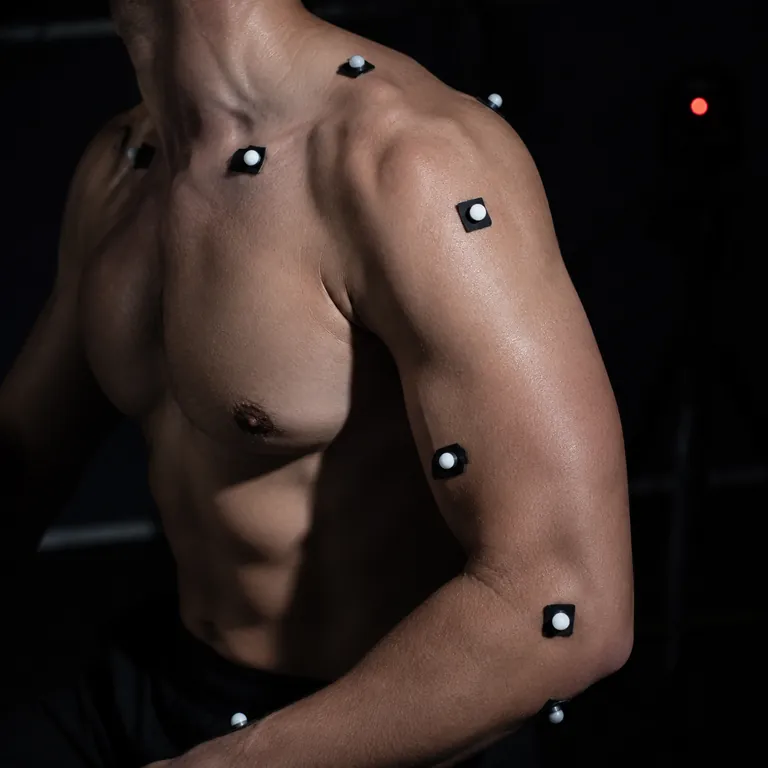
A simple test uses a fixed cue and a timed response, such as a light that triggers a step or a partner's drop of a ball. At EvoQuest Sports Science, timing gates and motion analysis can record the time from a cue to the first movement and compare reactive and pre-planned movements. Use the same warm-up, time of day and cue each time. A change that exceeds the normal variation between repeat tests is the one worth trusting.
Frequently asked questions
How do MMA fighters react so fast?
Much of it is pattern reading. Experienced fighters notice early signs, such as hip drop or shoulder turn, and respond before the strike lands. Training with varied cues, sparring and good movement speed all help, as does being rested.
What are good reaction drills for MMA?
Partner drills that mix cues are best: a jab feint versus a level change, a kick versus a punch, or a clinch entry versus a step back. Add colour calls and ball drops for variety. Keep contact light and rounds short.
Does a reaction ball help?
It can train eye-hand coordination and reflex under unpredictable bounces, which has some value. It lacks the decisions of a fight, so use it as a supplement to partner drills and live practice, where you must choose between several defences under time pressure.
Can sleep affect my reaction time?
Yes. Fatigue and poor recovery lower the quality of fast decisions and movements. Overtraining guidance links high load and poor recovery with lower performance. Regular sleep and sensible training load help preserve reactions for the days that matter.
This article is general education. Train within your current ability and get coaching if you are unsure about technique.
References
- Prevention, diagnosis, and treatment of the overtraining syndrome: joint consensus statement of the ECSS and ACSM Medicine & Science in Sports & Exercise, Meeusen et al., 2013
- Monitoring the athlete training response: subjective self-reported measures trump commonly used objective measures, a systematic review (Saw et al., 2016) British Journal of Sports Medicine
- Training principles for power (Haff and Nimphius, 2012) Strength and Conditioning Journal
- Change of direction deficit: a more isolated measure of change of direction performance than total 505 time (Nimphius et al.) Journal of Strength and Conditioning Research
- Reliability, factorial validity, and interrelationships of five commonly used change of direction speed tests (Stewart, Turner and Miller) Scandinavian Journal of Medicine and Science in Sports
Cibiraj studied Exercise and Sports Science at Deakin University in Australia and worked as a strength and conditioning coach for cricket and football clubs in Melbourne before founding EvoQuest in Coimbatore. He runs the performance assessments and writes every diagnostics report, so the person who measures you is the one who explains the numbers.