
Marathon warm up: race-morning routine and easy-run build
A marathon warm up should be short and easy: 10 to 15 minutes of walking, light jogging, hip and ankle mobility and two or three short strides. A long warm up burns energy you need later, so keep the effort low and let the first kilometres of the race do the rest of the work.
 Cibiraj Sathishkumar · Accredited Exercise and Sports Scientist, Founder of EvoQuest
Updated · 4 min read
Key takeaways
- Marathon pace is slow and steady, so the warm up should be gentle and brief.
- Most of the warm up is easy movement, and a few strides prime running form.
- Start line waiting is often the biggest problem, so plan clothes and timing.
- Long training runs can begin easy and use the first 10 minutes as the warm up.
- EvoQuest tests lactate and heart rate to define easy, steady and race effort.
On this page
Why marathoners should warm up less
A marathon is an aerobic event, and you need glycogen and energy for 3 to 5 hours. A hard or long warm up spends some of that and gives little back. A short routine still has a role: it loosens the hips and ankles after a night of sleep and travel, and it brings the heart rate up gently so the first kilometre does not feel like a shock.
Runners across distances have a high rate of running-related injuries, which was shown in a meta-analysis by Videbaek and colleagues, and the injuries are mostly overuse related. A warm up cannot prevent overuse injury by itself, but easy preparation makes the first kilometres smoother, while steady training load management does the rest.
The 12-minute race-morning routine
Use this about 20 to 30 minutes before the start, and shorten it if the start area is crowded.
Waiting at the start line
The most common problem is the wait. Large races can have you standing in a corral for 30 to 60 minutes. Finish your warm up as late as you can, then keep a throwaway layer such as an old shirt or a plastic poncho on until the gun goes. Take small sips of water or a sports drink, and keep moving your feet, shifting weight and doing small leg swings.
In Indian marathons that start before dawn, the air may be cool at first and warm up quickly. Dress for the first 10 minutes, not the last hour, and use sweat-wicking fabrics.
Long runs and training sessions
For an easy long run you do not need a separate warm up. Start at a very easy pace for the first 10 minutes and let that act as the routine. For marathon-pace sessions or intervals, add the mobility block and 3 to 4 strides before the first hard effort. Strength training for runners has been shown to improve running economy in a meta-analysis of highly trained runners, and a gym day warm up should differ from the pre-run routine, with extra glute and calf activation.
If you have an Achilles or calf niggle, do 15 single-leg calf raises before running, and see a doctor or physio if it lingers.
Static stretching and common errors
Skip long static stretches before running. Kay and Blazevich reported that stretches held for a minute or more can reduce maximal performance, and they do nothing useful for a pace-based event. Other common errors are starting with a long jog, wearing brand-new shoes on race day and heading out too fast in the first kilometres because adrenaline hides effort. Use a watch and your training paces.
Chest pain, dizziness or unusual breathlessness are reasons to stop and seek medical help, not to continue.
Nutrition, pacing and the first kilometres
Eat your usual breakfast two to three hours before the start, and test it in training. Small sips of fluid in the final 30 minutes are enough. On race morning in Tamil Nadu, the start may be before sunrise, and travel to the start area adds time, so plan for an early wake-up and a quiet warm up instead of a rushed one.
The first five kilometres should feel slightly too easy. Settle into your planned pace, let the crowd thin out and treat these kilometres as the final part of the warm up. Many runners lose time in the second half because they went out too fast in the first, so use the first kilometre to check your breathing, foot strike and posture rather than your split.
If the course has a steep section early, shorten your stride and keep the effort level, not the pace. Pain in the knee, foot or shin that gets worse as you run is a reason to stop and seek advice, not to push on to the finish line.
Heat, fluids and testing
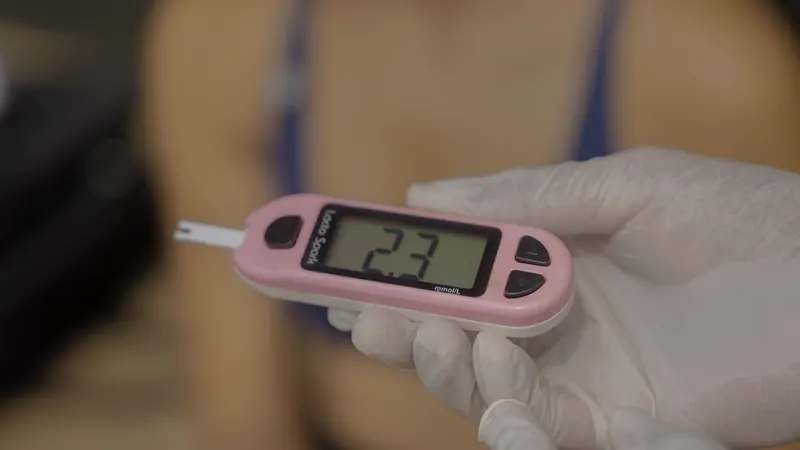
Coimbatore marathons and long runs can get hot, so drink before you start and plan fluid stops. EvoQuest runs lactate and heart-rate tests to find your easy, steady and threshold paces, and measures leg strength on force plates, which can help set a realistic race pace and warm-up effort. A free 20-minute call is a simple first step.
Frequently asked questions
How long should a marathon warm up be?
About 10 to 15 minutes is enough, using easy walking and jogging, a few mobility moves and two or three short strides. A longer routine uses energy that you need later in the race.
Do I need to warm up for an easy long run?
No separate warm up is needed. Start slowly and treat the first 10 minutes as your routine. Add mobility and strides before faster sessions.
What should I do while waiting at the start line?
Keep moving lightly, wear a throwaway layer, sip fluids and avoid sitting on the ground. Finish your main warm up as close to the start as the crowd allows.
Are strides necessary before a marathon?
Two or three short strides help prime running form and the nervous system, but they are optional. Keep them relaxed and well below sprint speed.
This article is general education. Train within your current ability and get coaching if you are unsure about technique.
References
- Incidence of running-related injuries per 1000 h of running in different types of runners: a systematic review and meta-analysis Sports Medicine, 2015 (Videbaek and colleagues)
- Effects of strength training on running economy in highly trained runners: a systematic review with meta-analysis of controlled trials Journal of Strength and Conditioning Research, 2016
- Effect of acute static stretch on maximal muscle performance: a systematic review Medicine & Science in Sports & Exercise, Kay and Blazevich, 2012
Cibiraj studied Exercise and Sports Science at Deakin University in Australia and worked as a strength and conditioning coach for cricket and football clubs in Melbourne before founding EvoQuest in Coimbatore. He runs the performance assessments and writes every diagnostics report, so the person who measures you is the one who explains the numbers.